

After covering the Rio de Janeiro International Film Festival, we covered the São Paulo International Film Festival with more than 20 movies in the course of two weeks. Here’s everything we watched:
“Sirat” by Oliver Laxe
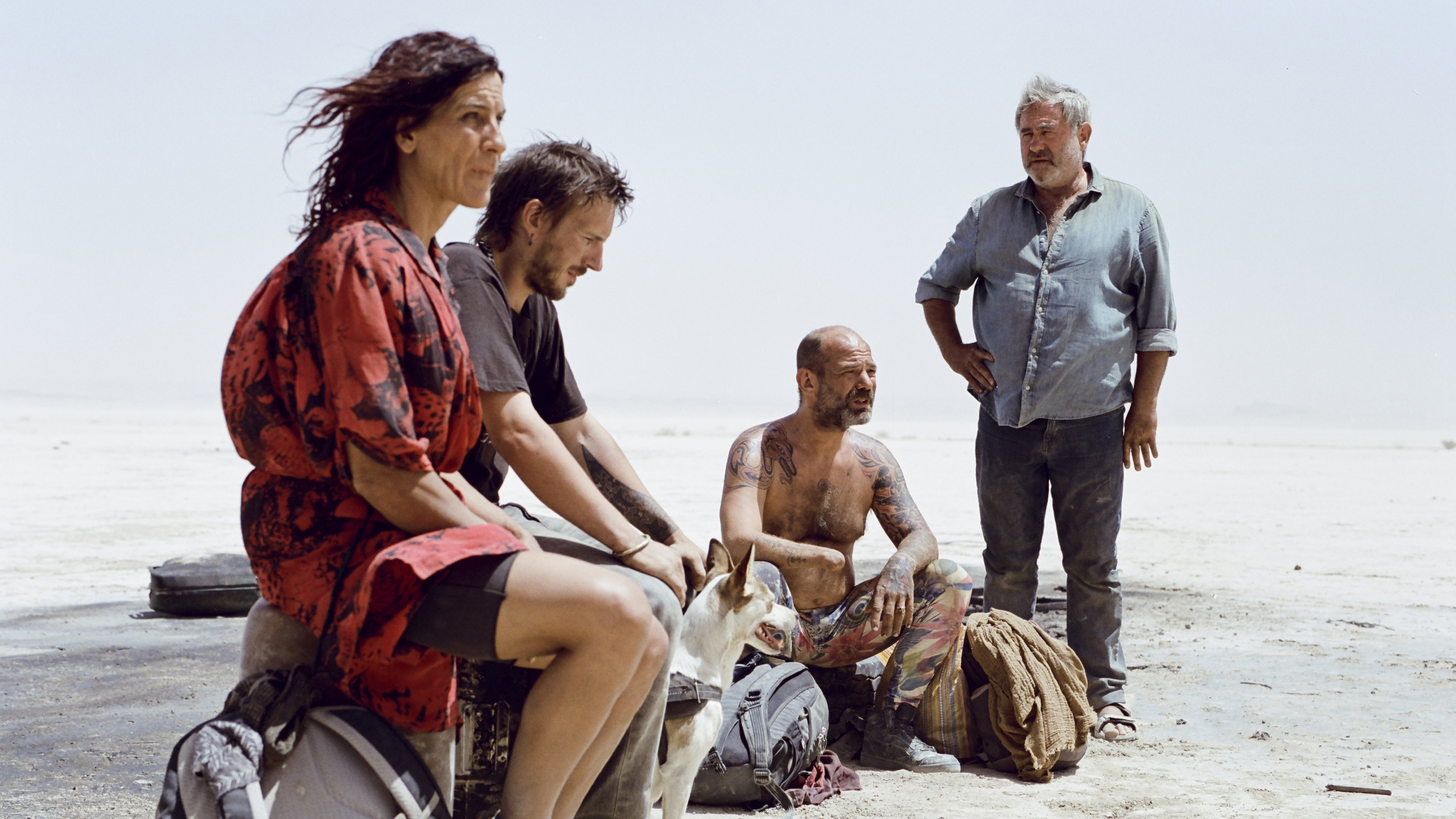
Oliver Laxe said his movie is a mixture of Mad Max, Easy Rider, and Stalker, and I couldn’t agree more. By following the story of a father who travels to Morocco to find his missing daughter amid desert raves and the onset of a supposed war, Sirat is a sensorial movie about music and the trance-like states of life. While I don’t love how the movie kind of goes nowhere, Oliver Laxe’s approach to filmmaking can be pretty intense and experimental, resulting in a very unique and transcendent experience. ★★★★
“Fiume o Morte!” by Igor Bezinović
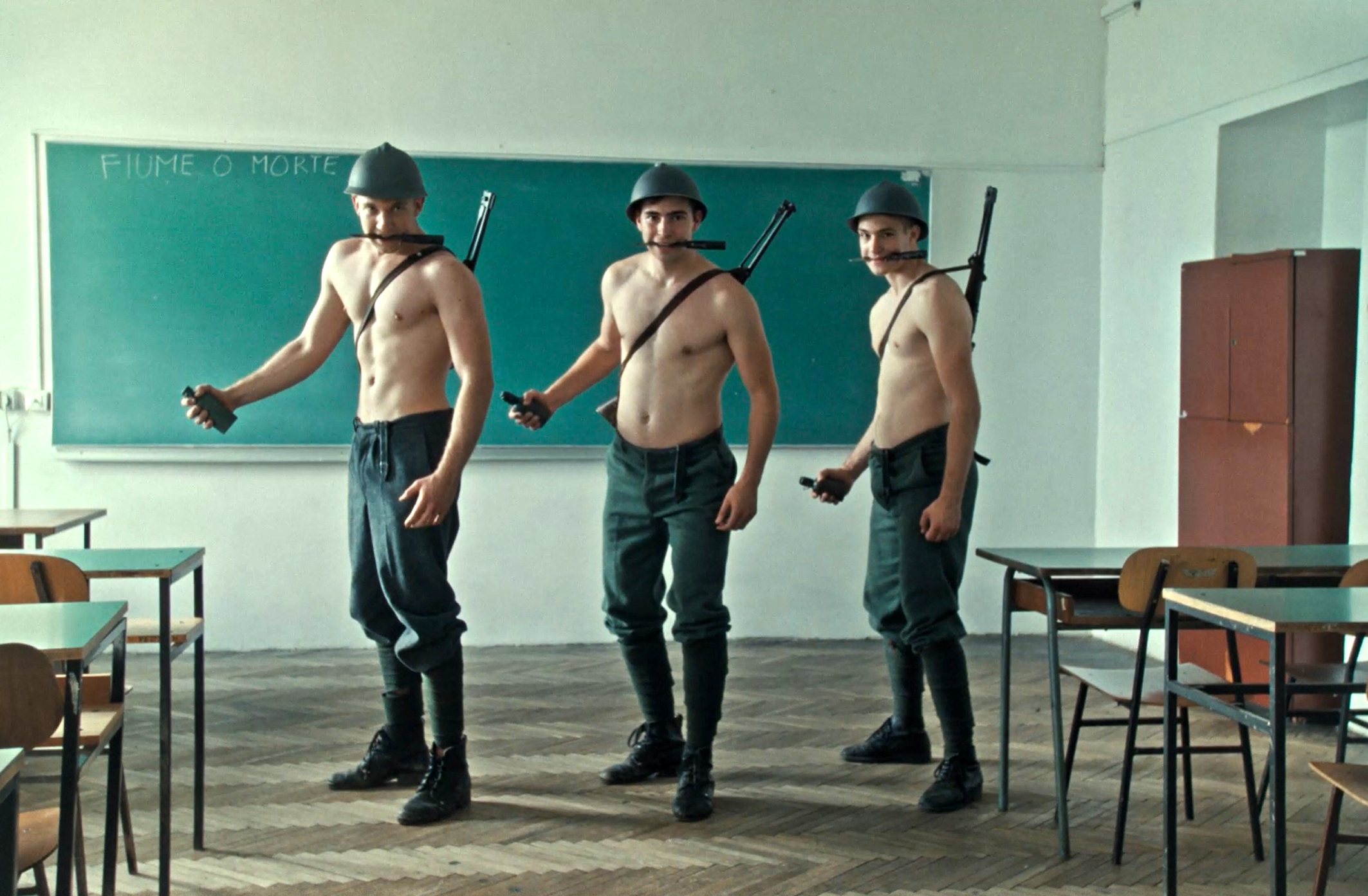
I actually watched this outside the film festival, but since it’s in the line-up and is so good, I had to write a few words about this amazing documentary. Focusing on the Gabriele D’Annuzio dictatorship in a city in Croatia in the early 20s, Igor Bezinović mixes reality with fiction by asking people from the city to perform historical moments from the past, while aggregating the personal stories of the city’s population in the film. The result is a complex, intriguing, and beautiful study of a society’s past and present told through personal perspectives, resulting in a hypnotizing documentary. ★★★★½
“Meteors” by Hubert Charuel
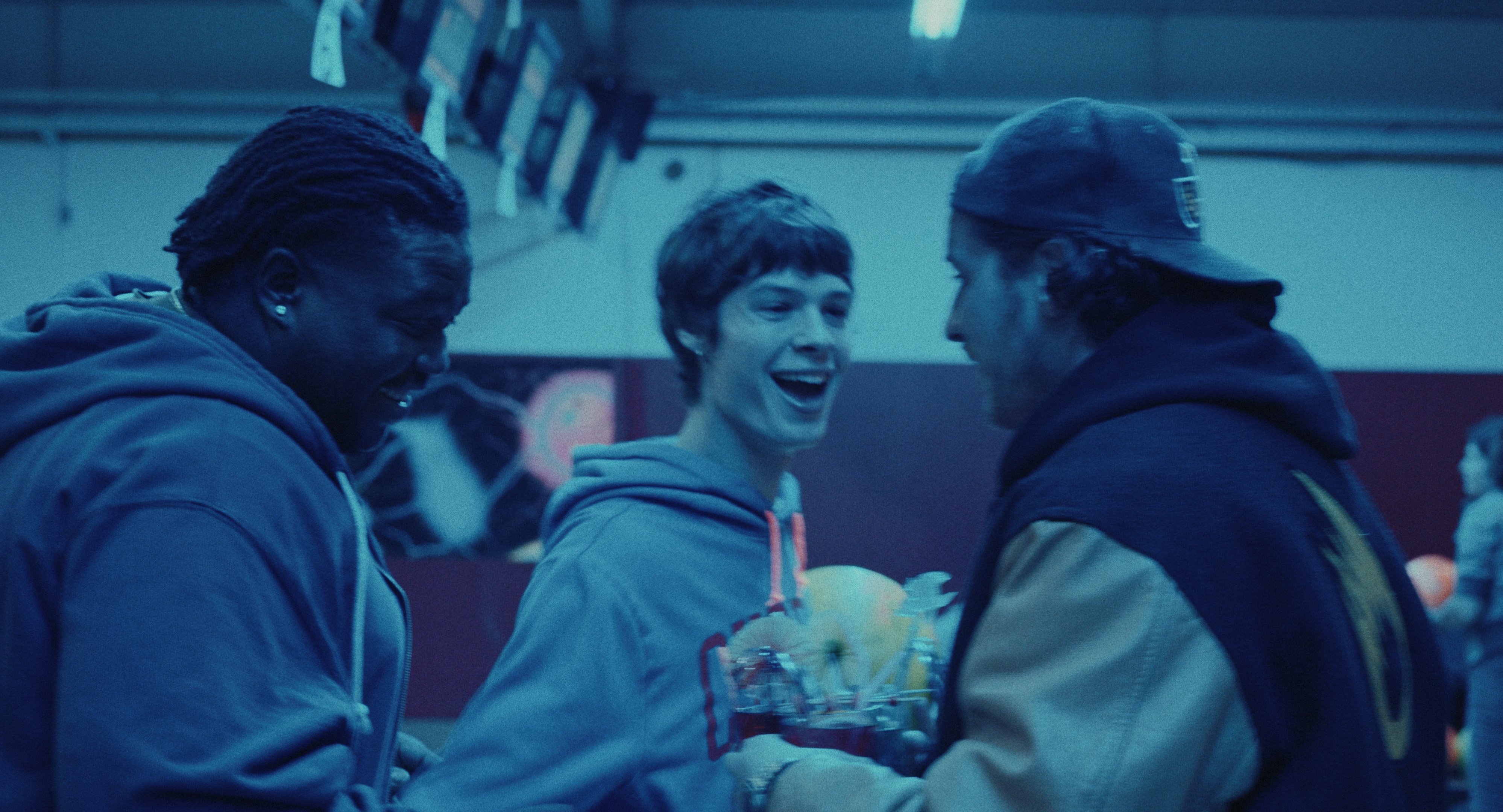
There isn’t really an explained reason for this movie to be called Meteors, with the exception that we follow two characters falling while creating tension and little explosions through the path they cross. Despite many people perceiving this as a regular drama with an annoying character, I thought Hubert Charel’s feature was a very beautiful journey of friendship and endurance set in a remote city in France. It’s also a very modern take on problems France is facing right now, which is the younger generation’s abuse of alcohol and drugs, and a lack of perspective towards the current political and economic climate. It has a very simple screenplay, but the way Charel tells his story, along with the incredible performances by Paul Kircher and Idir Azougli, makes Meteors a film that has more baggage than meets the eye. ★★★★

“Frankenstein” by Guillermo Del Toro
Guillermo del Toro’s Frankenstein is an incredible mixture of gothic, horror, adventure, and fairy tale genres told through Dan Lausten’s outstanding cinematography. While it may be a little bit too long, it’s definitely a movie made for the big screen, where each shot transpires the director’s passion for the project through rich and meticulous details. The performances might not be on the same level as the production standards, but unlike most modern revisions of eternal classics that keep coming back to the cinemas every now and then, del Toro’s Frankenstein feels different and relevant by transforming Mary Shelley’s tale into something new, beautiful, and personal. Please, do yourself a favor and watch it on the biggest screen possible. ★★★★
“Urchin” by Harris Dickinson
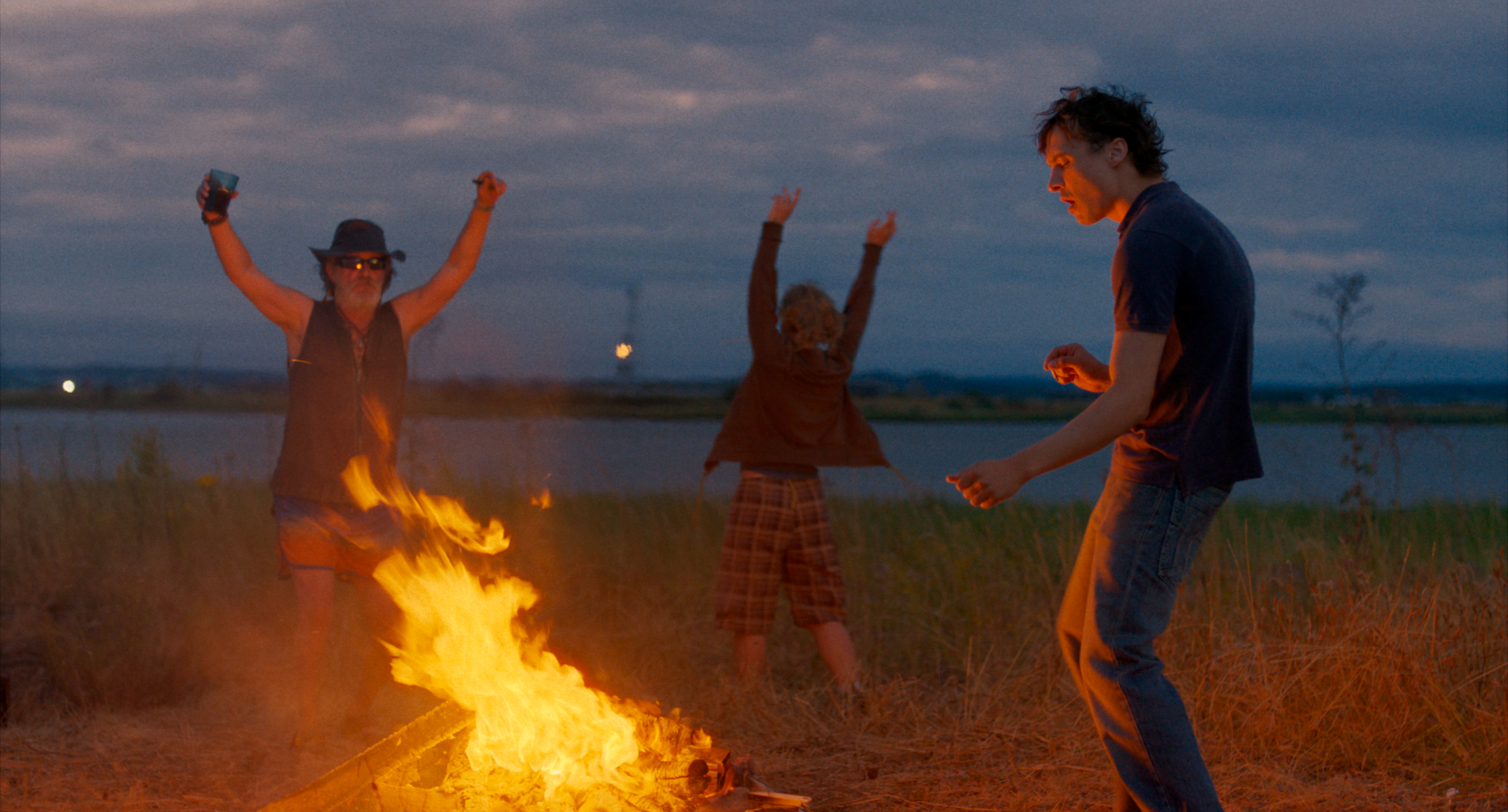
It’s painful to see two major actors such as Harris Dickinson and Kristen Stewart having directorial debuts in 2025. Not only because they are pretty good films, but it also proves that it’s easier to finance young artists from within the industry than outside of it. And the outsider is exactly the theme of Urchin, a character study movie about a homeless man trying to put his life together. Despite being a film that does nothing out of the ordinary, Harris Dickinson proves not only his skills as a good filmmaker but also one who is more interested in raising questions than answering them. If Stewarts’ The Chronology of Water makes poetry with its suffering, Dickinson creates a little more distance through his realism in a way that feels like we’re watching a Dardenne brothers film. Frank Dillane is absolutely amazing in this, delivering a corporal performance that might deserve an award or two. More importantly, Urchin is an important film that deals with a complex subject in a mature and creative way. ★★★★
“Satisfaction” by Alex Burunova
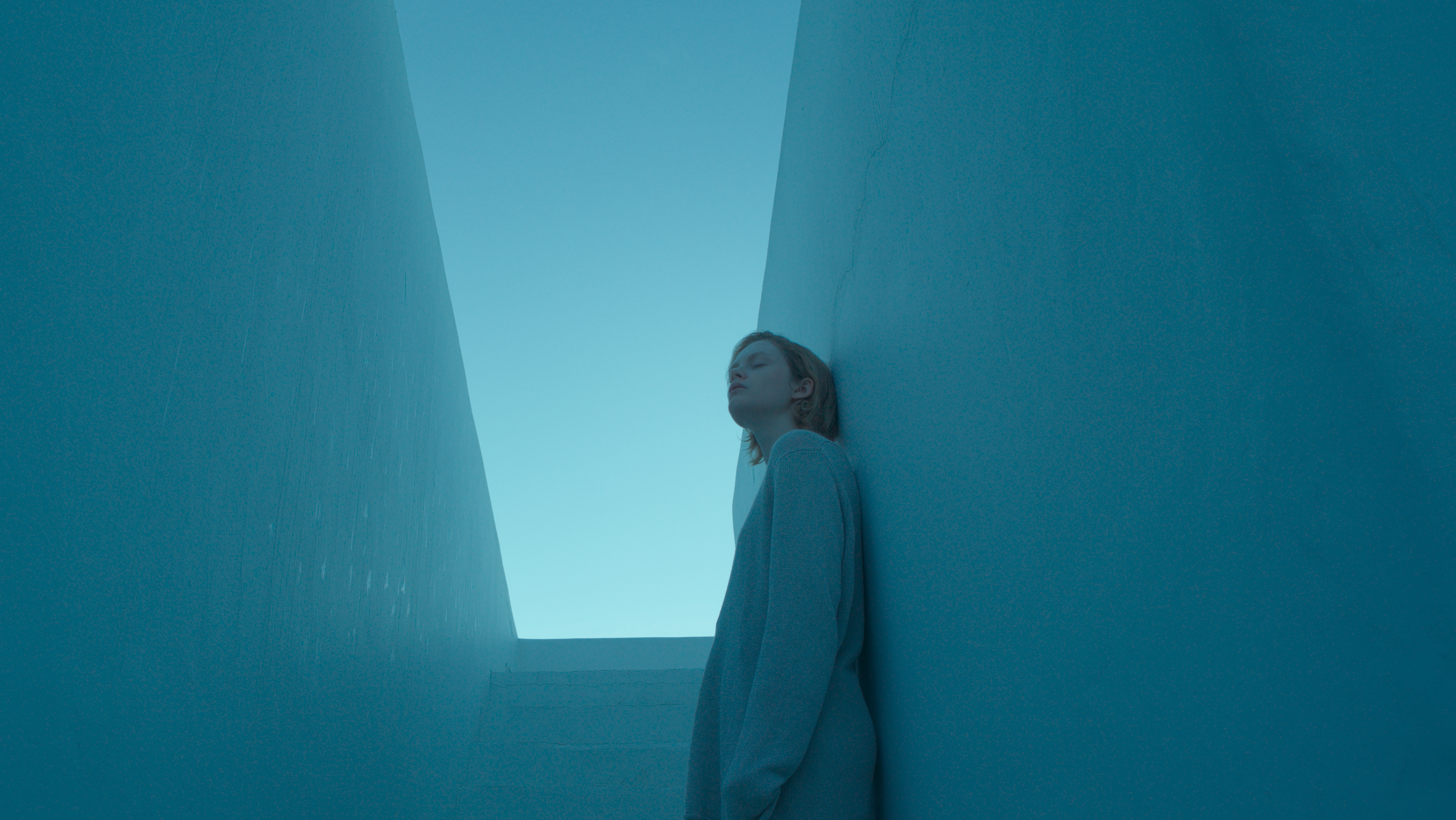
Sensorial movies about trauma can be quite a challenge for not falling into the same clichés we see in cinemas every day, but Alex Burunova’s directorial debut can be as intense as it is refreshing. By telling the story of a troubled relationship and its complexities, Satisfaction is a very personal portrait of a young woman trying to understand who she is and what she’s been through, told in a very poetic and sensual journey. I dare to say Emma Laird delivers the performance of the year, and along with Buronova’s hypnotic mise en scene, this might have turned one of my film festival’s favorites. Hopefully, the title will get a distributor as soon as possible. ★★★★½
“Bugonia” by Yorgos Lanthimos
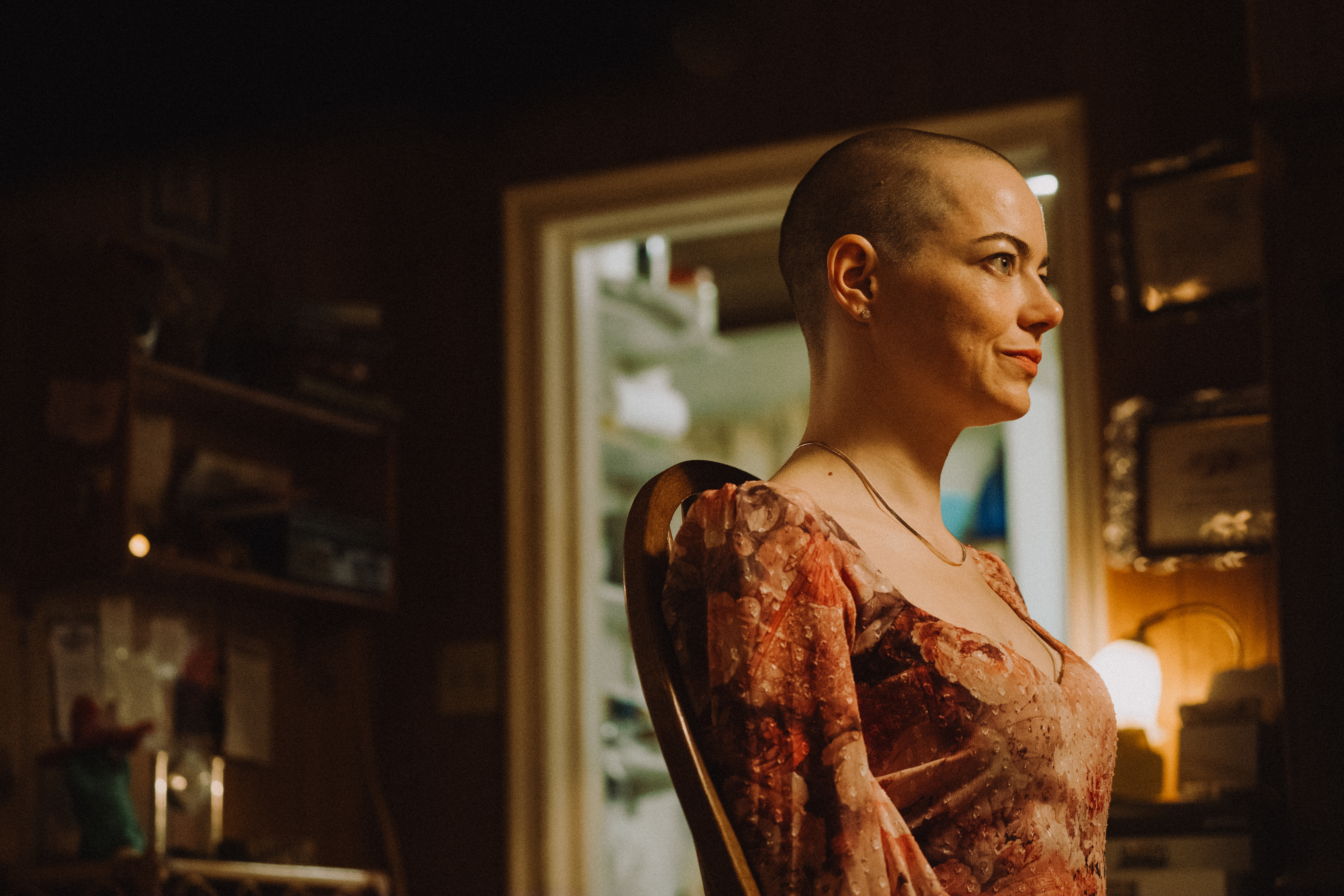
While this isn’t as genius as Poor Things, The Lobster, and even The Killing of a Sacred Deer, Yorgos Lanthimos continues to prove he’s one of the most singular authors of our time in Bugonia, a movie that could pretty much be a reflection of America’s current state of mind, where the number of people who believe the earth is flat keep rising, along with the hate speech towards what they like to call as illegal aliens. It’s also a testament to what good actors are willing to do for great artists, as Emma Stone now shaves her head for a story that might have one of the most mindfuck endings of the year. ★★★★
“Mirrors No. 3” Christian Petzold
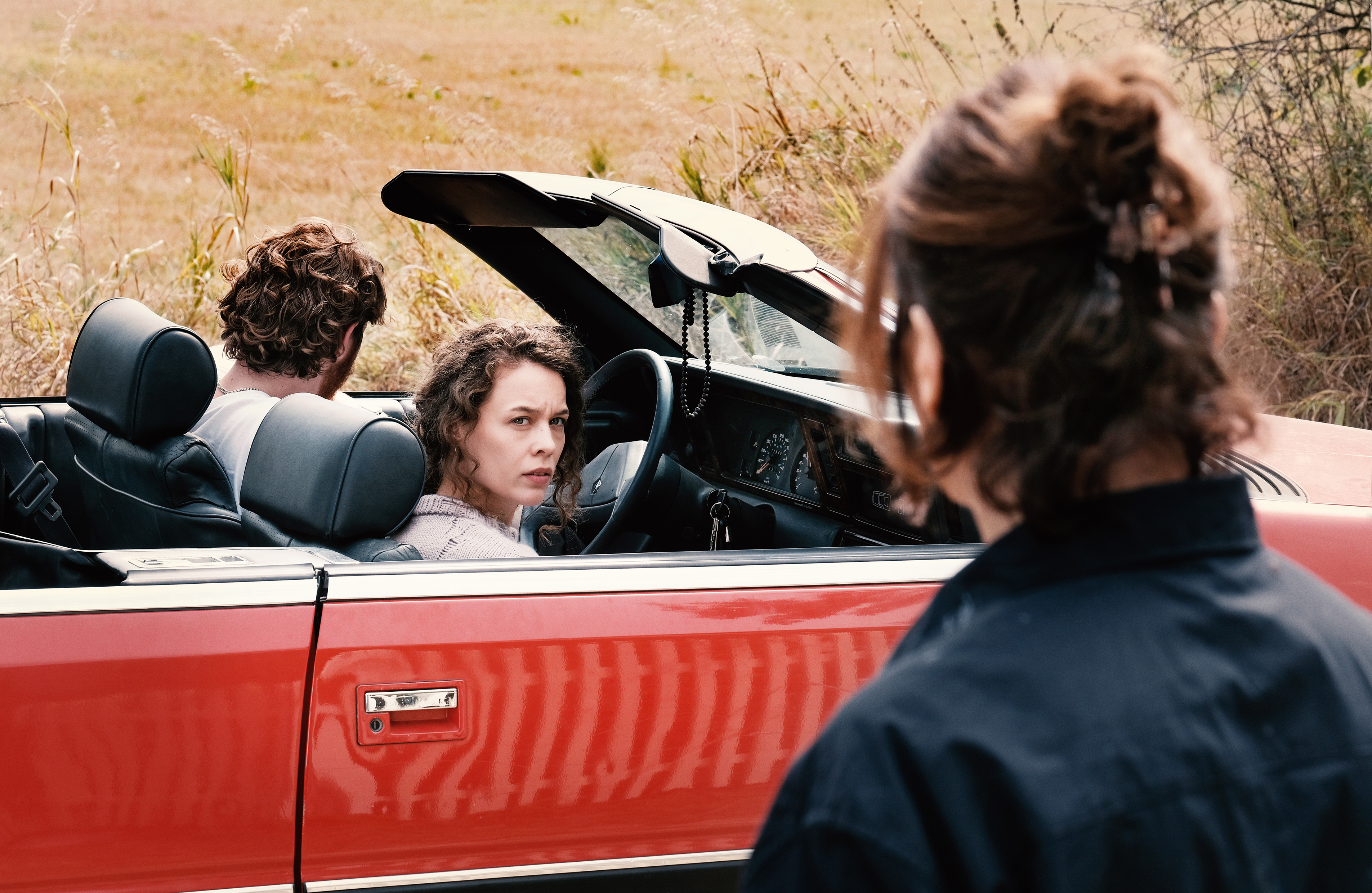
Christian Petzold returns with a light and simple drama in Mirrors No.3, a movie about a woman who, after suffering an almost fatal accident, starts to spend some time in a home belonging to a mysterious family. While the film has less than 90 minutes, it takes a while for the story to really unfold, which despite having nice surprises, it makes me wonder where the Christian Petzold of Phoenix, In Transit, and Undine is. It’s a very nice and beautiful film, with good performances and a nuanced screenplay, but it’s not as powerful as the director’s early movies. ★★★½
“Our Hero Balthazar” by Oscar Boyoson
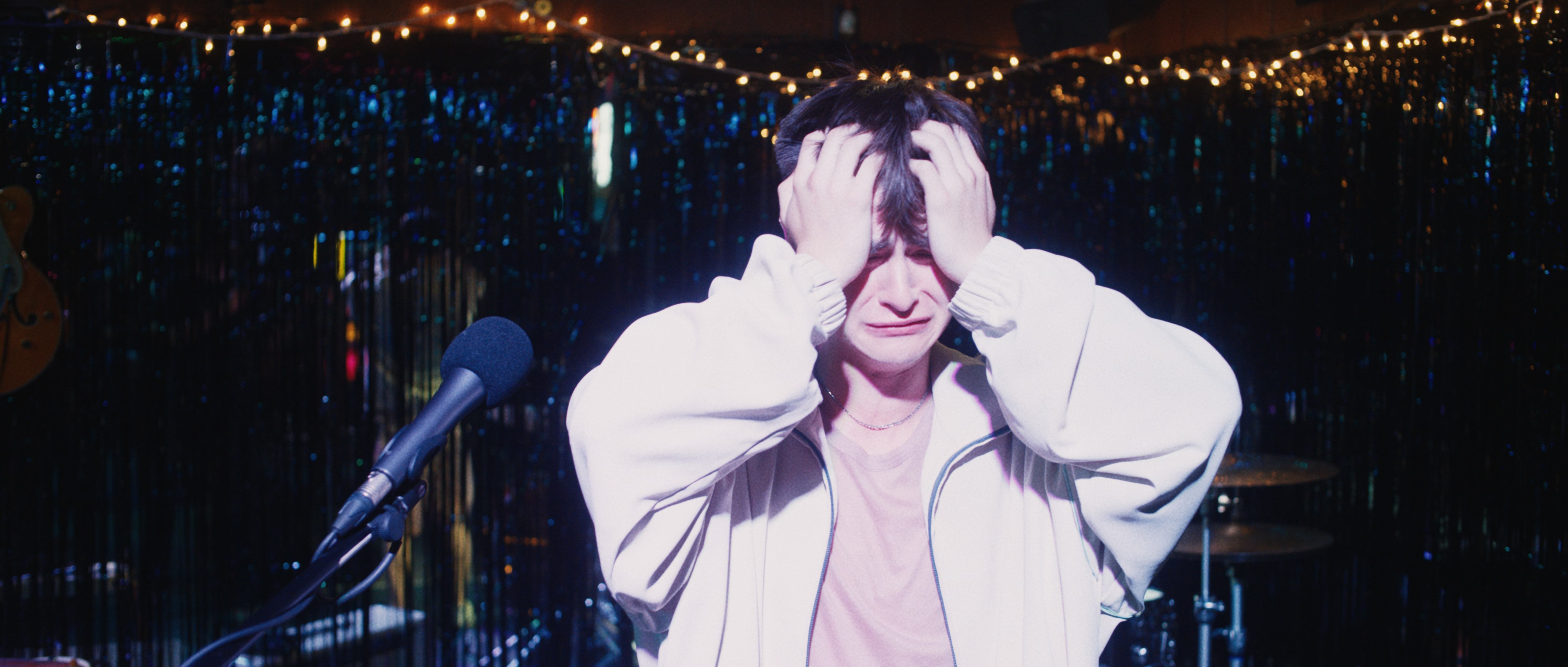
Featuring great performances by Jaeden Martell and Asa Butterfield, Our Hero, Balthazar is another movie that reflects the current American state of mind, where younger generations are facing loneliness and their lost sense of community through a world of screens, fake online personas, and school shootings. Despite being extremely funny and entertaining, Oscar Boyson’s screenplay is a little bit too absurd and exaggerated. Even though it makes relevant and important statements in a creative way, it is a little hard to take it all so seriously, especially with such an absurd ending. It wasn’t really for me, but I guess with everything that is happening in the US right now, independent American cinema is really delivering some quite interesting stories. ★★½
“The Disappearance of Josef Mengele” by Kirill Serebrennikov
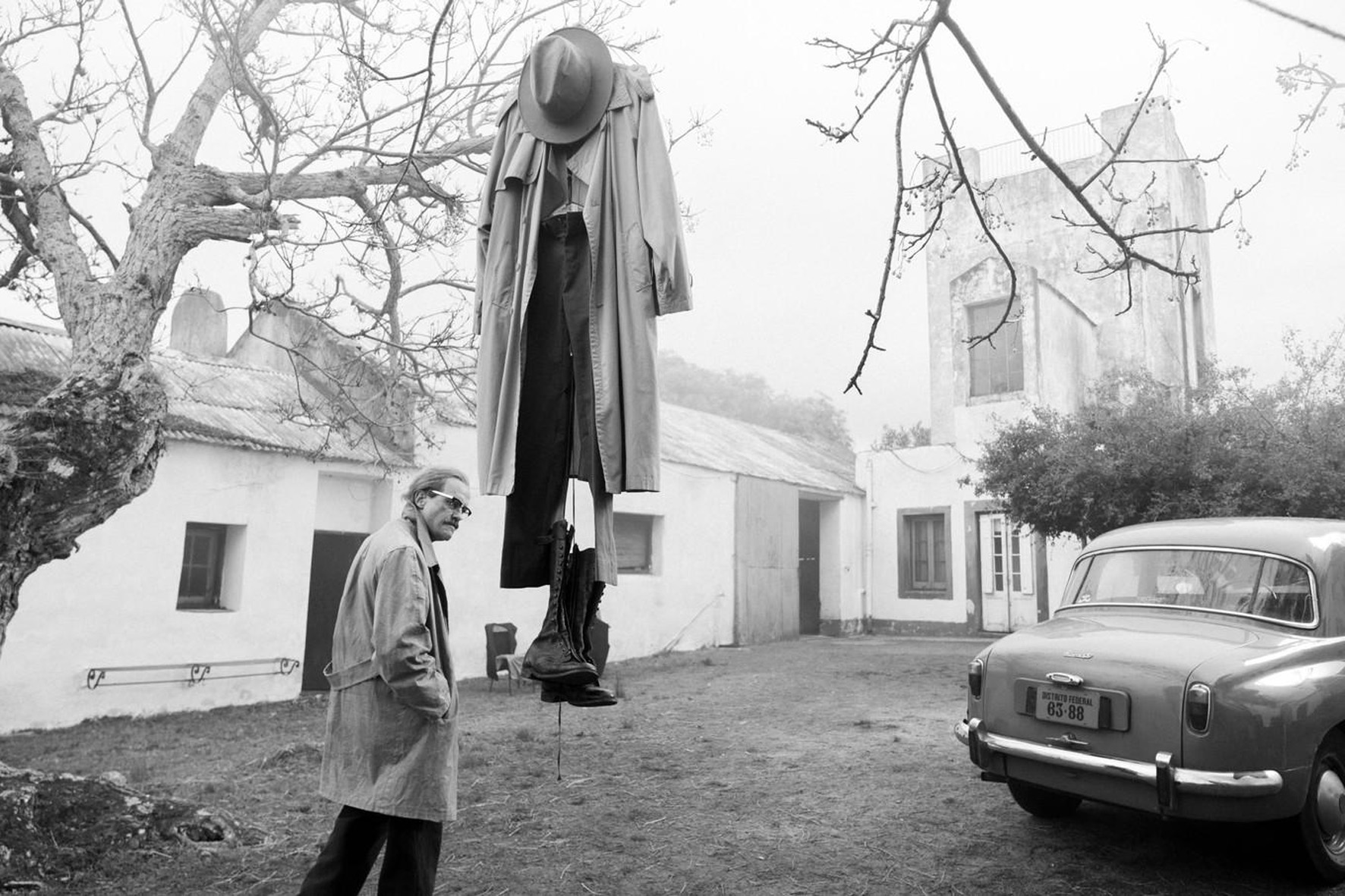
Kirill Serebrennikov’s choices of biopics are quite peculiar, to put it mildly. After the rockstar Viktor Tsoï, Tchaikovsky’s wife Alyona Mikhaylova, and the radical poet Eduard Limonov, the gay punk Russian filmmaker decides to adapt Oliviar Guez’s non-fictional story of no one less than Josef Mengele, the “angel of death” of WWII. Focusing on his life from the late 50s to the late 70s, The Disappearance of Josef Mengele is beautifully shot in black and white, with a performance of a lifetime by August Diehl. Despite not having a super deep plot, Serebrennikov’s film is more interested in representing the personal hell of a Nazi fugitive in South America than in what he actually did in Auschwitz, resulting in a hypnotic character study of madness and evil. Not only that, the movie also raises important debates about how his gateway and pursued status can represent the German social nationalist hypocrisy and cowardice, resulting in a powerful, contemplative, and hypnotic movie. ★★★★
“Sound of Falling” by Mascha Schilinski
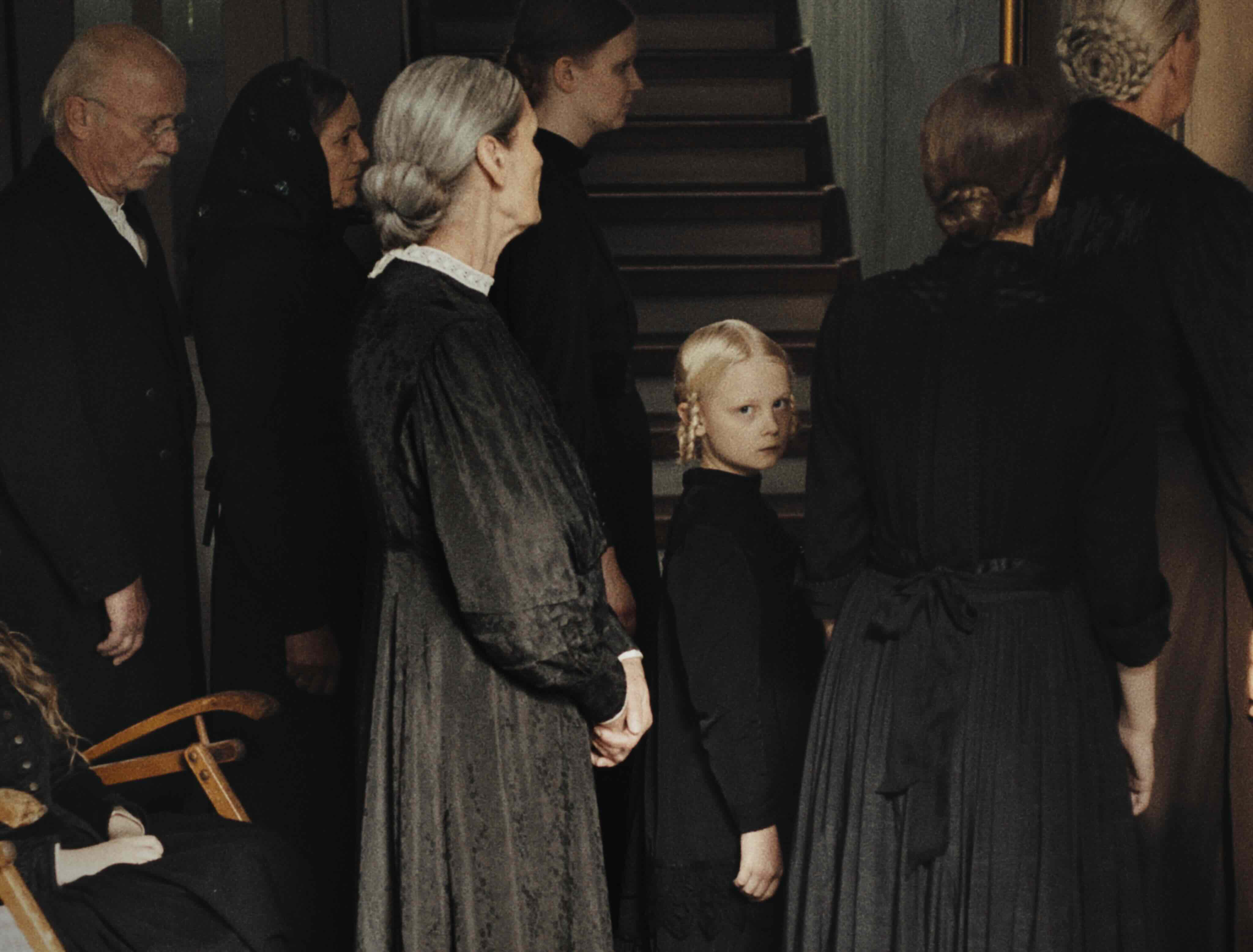
Haunting might be the best way to describe Mascha Schilinski’s Sound of Falling, a movie that follows the point of view of four young women struggling with their families in rural Germany through four different decades. Shot with outstanding cinematography and shown in non-chronological order, the film is a sensorial, hypnotic, and experimental journey of remembrance and contemplation, while dealing with themes of death, trauma, abuse, phantoms, and sex. Despite being fascinated with all of this, Sound of Falling is a challenging movie to digest. If 150 minutes isn’t long enough, Mascha Schilinski can be quite repetitive and unfocused on the points she’s trying to make. I know this is exactly what makes the movie so interesting and helps to create this dream-like state, but unfortunately, it’s also what pulls me away from it. I probably need another watch, and this is likely a film that you will find many new things in each viewing. But the more I think about Sound of Falling, the more I think I forgot about it already. ★★★½
“Nouvelle Vague” by Richard Linklater
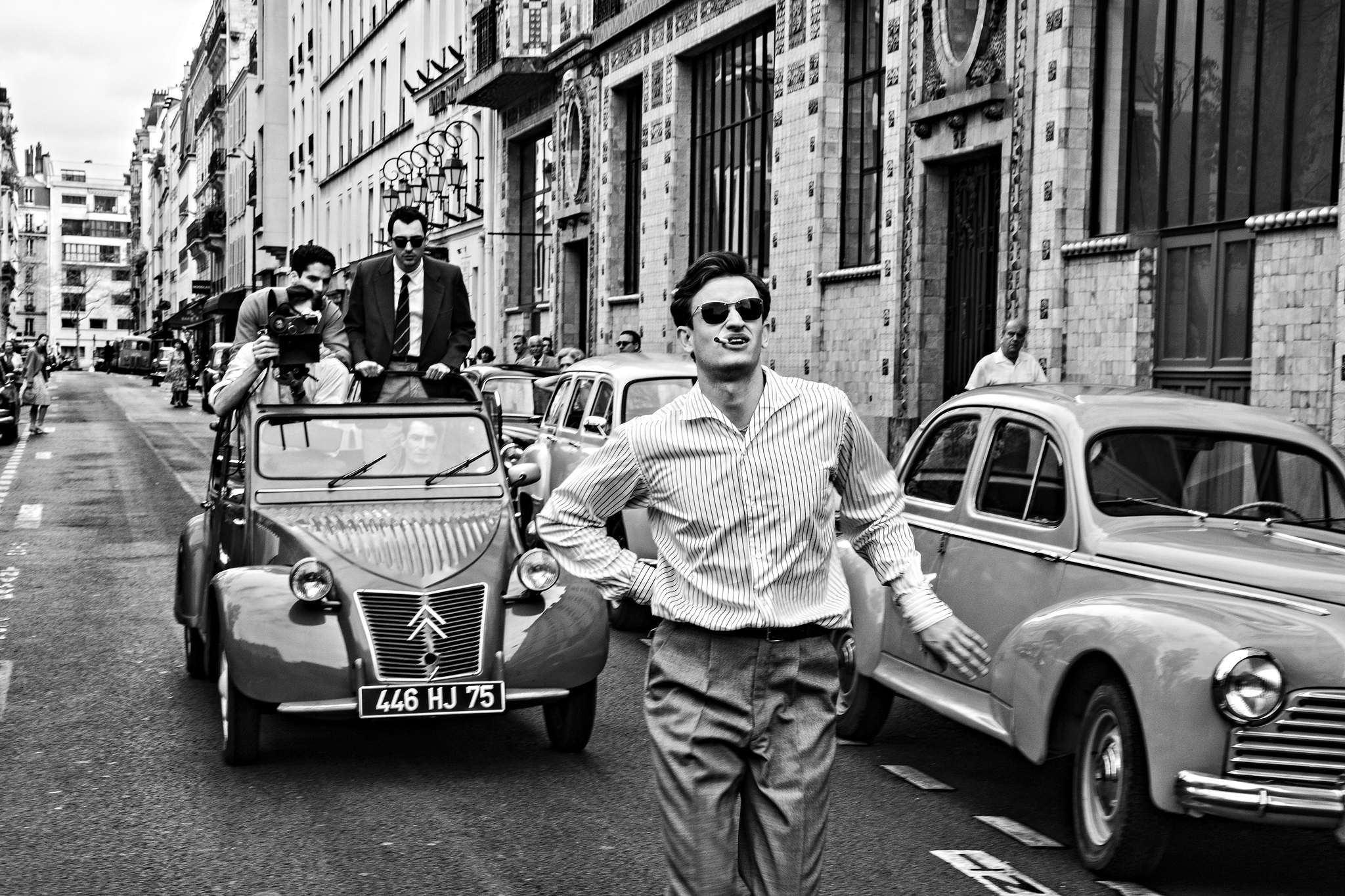
It’s hard to believe this was made by the same director as the Before trilogy, Boyhood, Dazed and Confused, and Hit Man. If Linklater has proven himself as a very American filmmaker, Nouvelle Vague is his French attempt to incorporate the French New Wave and the making of Godard’s Breathless. The movie works surprisingly well by homaging its era through the characters that gave birth to this important movement, such as Jean-Luc Godard, François Truffaut, Claude Chabrol, Jacques Rivette, Agnes Varda, and many others. By casting very similar actors to portray these important figures, Linklater creates a light and entertaining comedy about the absurdities of Godard’s style of filmmaking and what was happening among the Cahiers du Cinema’s critics at that time. It doesn’t try to be as good and important as the movies from this period, which is exactly what makes Nouvelle Vague such a light and well-intentioned comedy. Also, Guillaume Marbeck is absolutely amazing as Jean-Luc. ★★★½
“On the Road” by David Pablos
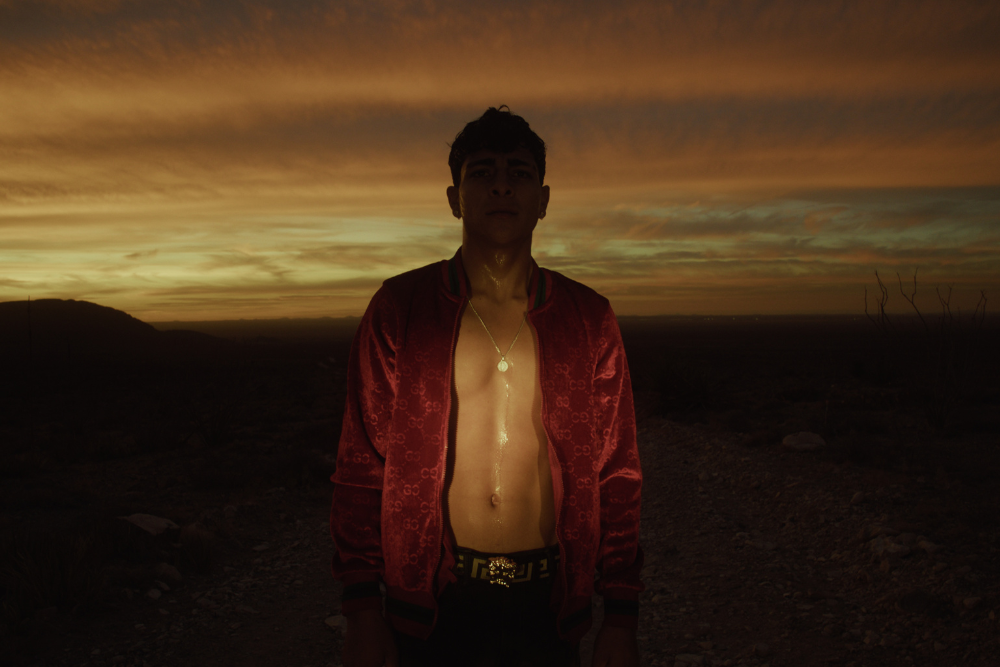
I usually have serious problems with gay dramas about characters discovering themselves through sex because they mainly try to survive through the sensual images they create. Fortunately, this isn’t the case with On the Road, a cartel-like road movie about a queer character running away from his past and his troubled journey with a truck driver on the roads of Mexico. There are many similar movies like this from a heterosexual perspective, but David Pablos transforms this very masculine background into a sexually charged field of sex and violence in very interesting and brutal ways. The explicit sex scenes dialogue very well with the brutality that these characters go through, along with dealing with very realistic and important situations, such as the presence of narcos, prostitutes, drug dealers, and cartels in Mexico. ★★★½
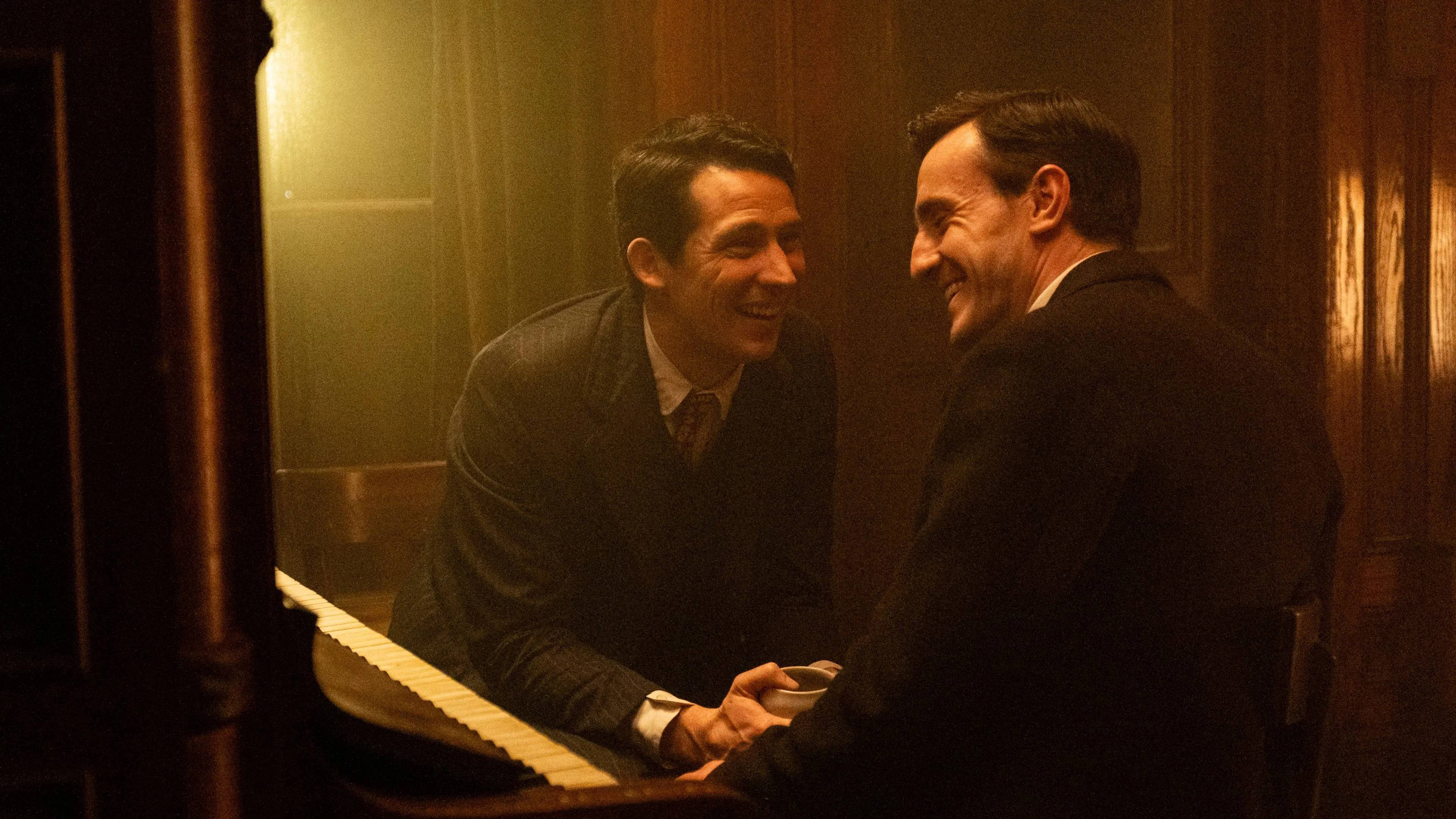
“The History of Sound” by Oliver Hermanus
It’s crazy to think that The History of Sound is one of the most beautiful movies of the year, while it’s also one of the most irrelevant ones. By telling the story of two music students who start having an affair throughout the years, it’s impossible not to think about Brokeback Mountain with the characters camping in the woods, hiding their sexuality, having a long-distance relationship, and most of all, their extremely conservative approach to queer romance. If these tropes already seem uninspiring and unoriginal, Olivier Hermanus’ direction feels bland and artificial, accompanied by a screenplay that, beyond never achieving great places, its most relevant moments pass us by without us realizing they were important. Paul Mescal and Josh O’Connor are good in this because they are good actors, but we can see that they are never being challenged or properly used. Just like the theme of sound and music, which despite having its little moments, it’s never really explored until a pretty metaphor in the end. Overall, The History of Sound it’s not a bad film, just a pretty mediocre one. ★★½
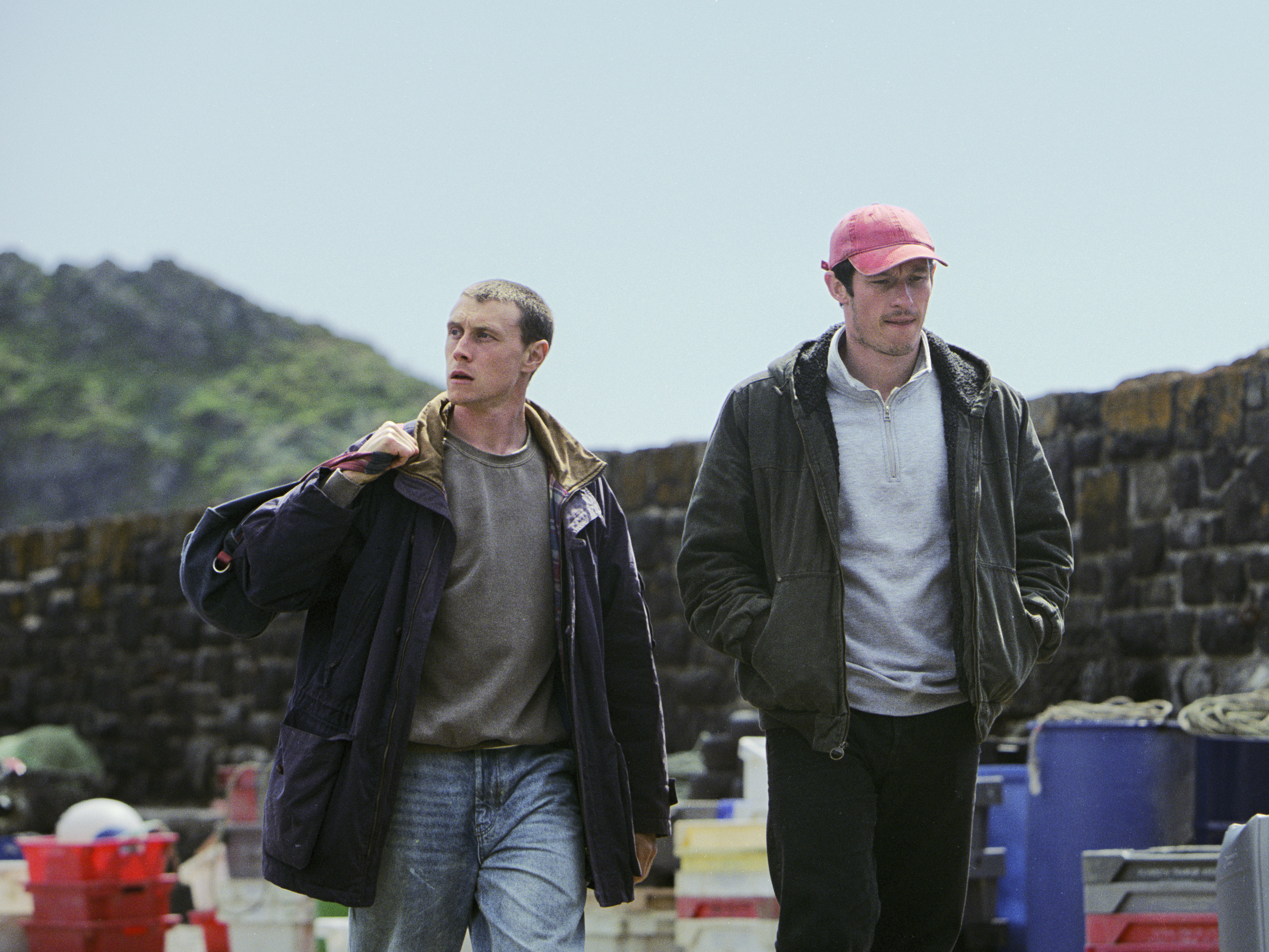
“Rose of Nevada” by Maek Jenskin
I haven’t seen the other films made by Mark Jenkin, but I like how he works with textures in Rose of Nevada, from the grainy cinematography to the extreme close-ups of metal rust, old stone walls, and water. It’s a movie about the ocean, the absence of men lost in the sea, and time-travel told in an extremely simple but mysterious way. It’s a very contemplative and sensorial movie that will haunt the spectator to find their own answers to what really happened, resulting in a beautiful and strange dream-like experience. ★★★★
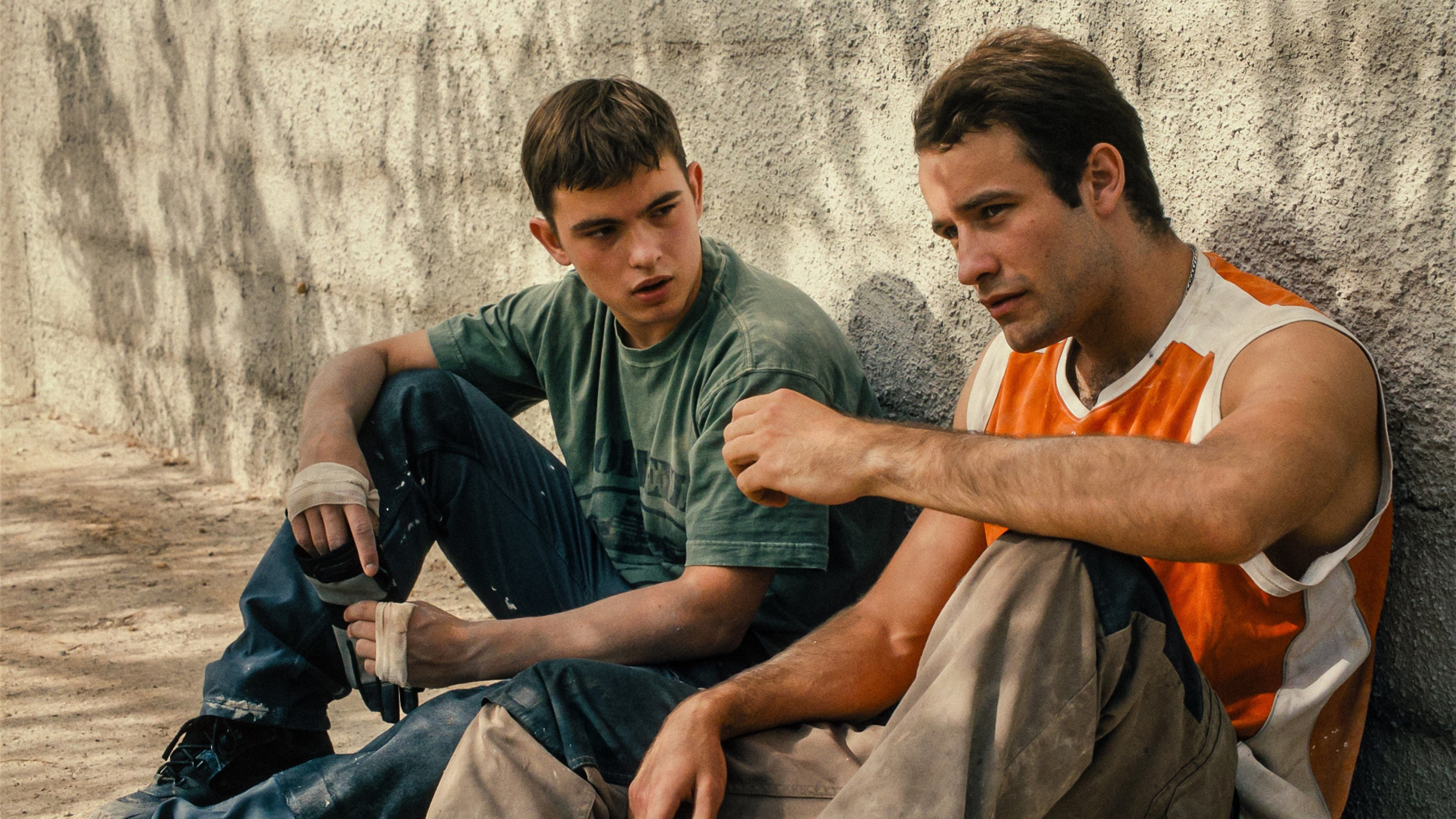
“Enzo” by Robin Campillo
Enzo is one of these psychotic characters in cinema that I absolutely love. He’s rich, he left school, he doesn’t have ambitions, and he’s working in construction just because he fancies a Ukrainian guy. Even though Robin Campillo’s film isn’t a major gay story, it’s definitely a strange character study of a guy who doesn’t know what to do with his feelings. This may come as problematic and annoying at times, but its transgressiveness is a courageous act that might be misunderstood by many. Sure, he’s no Benny from Michael Haneke or any other major subversive characters we see from the medium, but I like how simple and realistic Enzo is. Also, it’s a breath of fresh air to see a gay and a straight character that can be friends, aside from everything that happens between them. ★★★½
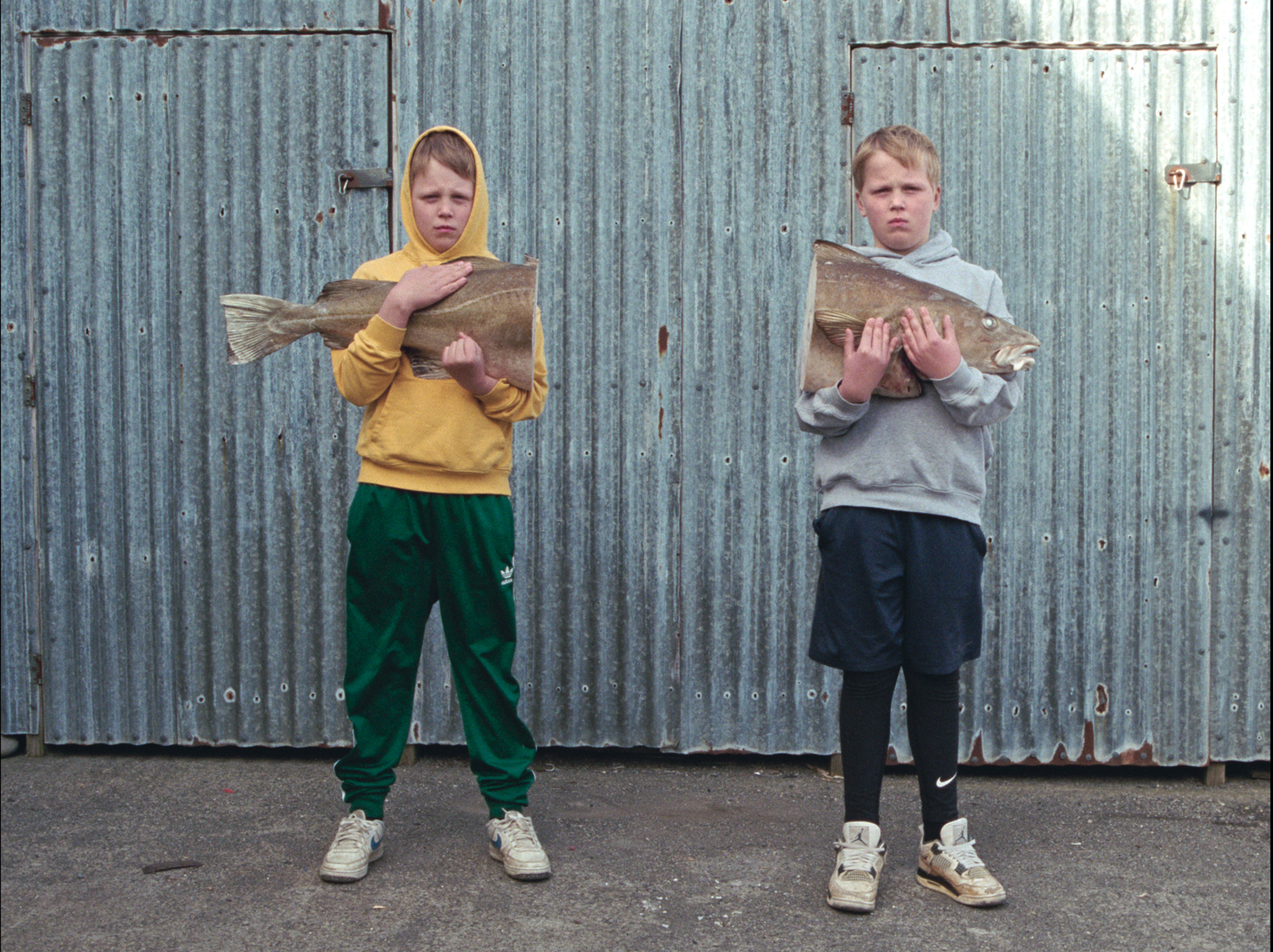
“The Love that Remains” by Hlynur Pálmason
Hlynur Pálmason continues to prove he is one of the most unique and free filmmakers from the north with The Love that Remains, a movie that is about nothing and everything at the same time. Following a family that has recently gotten a divorce, the Icelandic director creates a mosaic of life and its little details, from the kids helping the artist mother to set up her art in the backyard to picking mushrooms in the forest and raising chickens in the backyard. Mixing experimental filmmaking with magic realism, The Love That Remains is a beautiful, strange, and humane insight into the mundane of our daily life and the beauty that surrounds it, with moments that even flirt with the works of Terrence Malick. It has a definitely awkward approach to storytelling, but its quirkiness is exactly what makes the movie so interesting and special. ★★★★

“No Other Choice” by Park Chan-wook
Insane is the best way to describe No Other Choice, a movie that could pretty much be the comedy version of Parasite. Telling the story of a family man who is forced to take drastic measures after he loses his job, Park Chan-wook’s newest film is a crazy and unexpected journey of a man who decides to literally kill his competition while also identifying with them through a screenplay that takes you to strange, hilarious, and surprising places. While I think the movie is a little too long, No Other Choice is still a creative and entertaining ride, shot with outstanding editing, cinematography, and production design. ★★★★
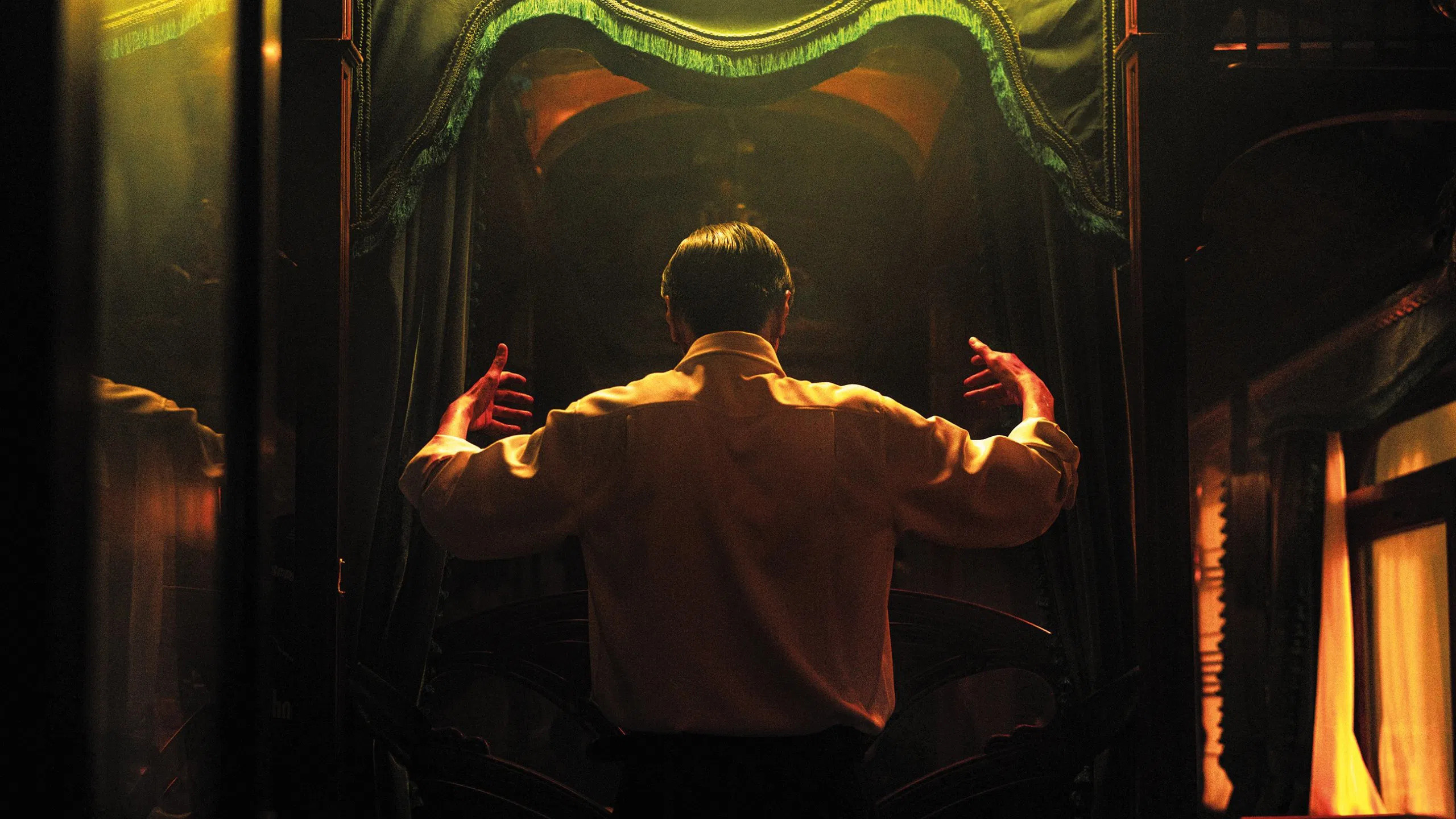
“Resurrection” by Bi Gan
People have been saying cinema is going to die since it was first born. It was the phantasmagoric pictures in black and white, the sound, the color, the big Hollywood industry, the TV, the physical media, and now streaming services and AI. It’s through this pretext that Bi Gan builds Ressurection, an anthology film that starts without sound and finishes with glowing spectators inside a melting theater. More than a homage to cinema itself, it’s an adventure through the medium’s history and its resurrection from the many deaths of movies, stars, and spectators throughout the century. Some vignettes are better than others, but in the end, Resurrection feels like a transformative and experimental movie that challenges the spectator with metaphors and references, resulting in a beautiful and experimental film. ★★★★
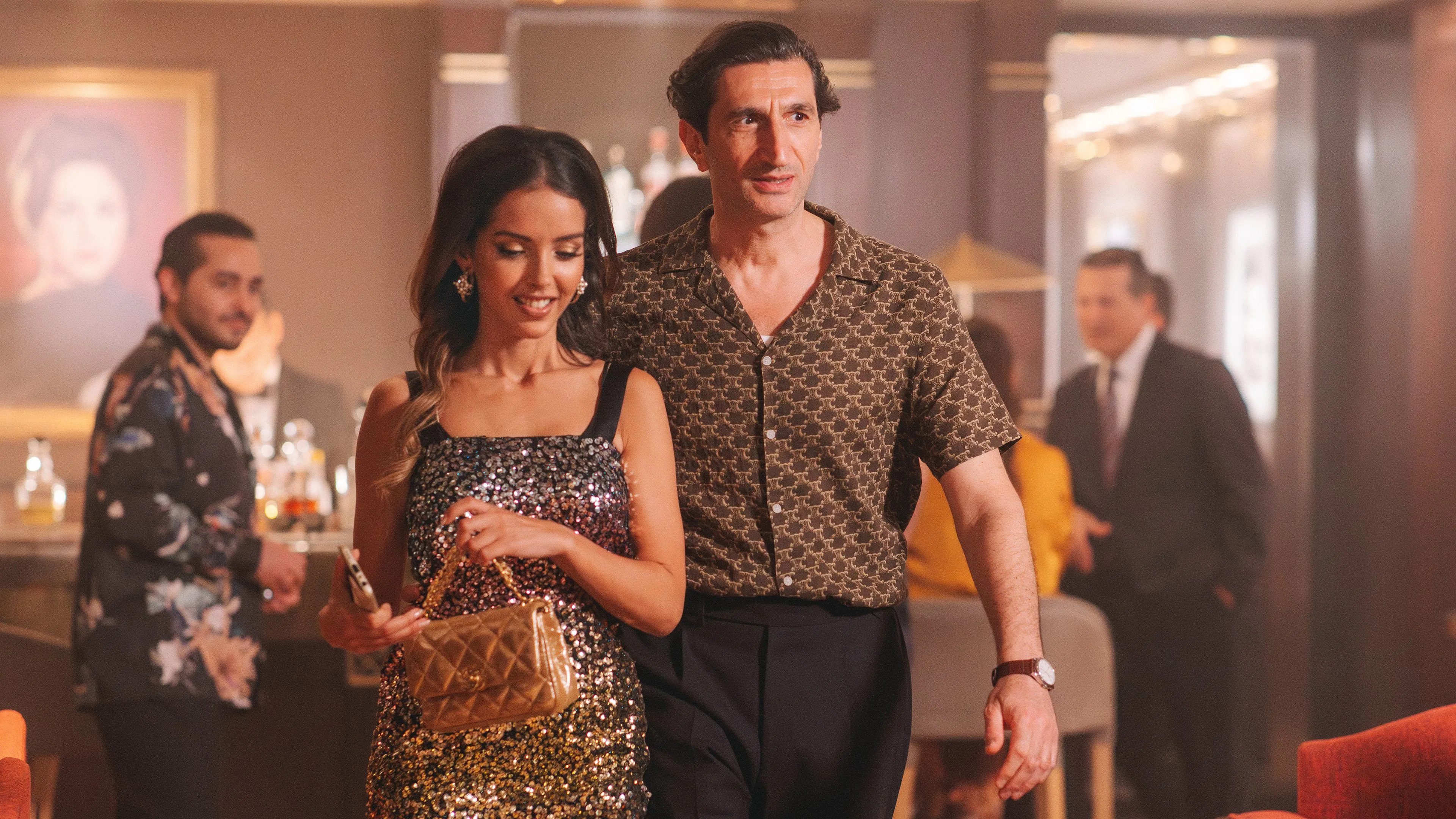
“Eagles of the Republic” by Tarek Saleh
Eagles of the Repluc is a denouncing film about how dictatorial governments can use the media to control the country and the population. Despite being a fictional film, the movie is very much influenced by Egypt’s president Abdel Fattah El-Sisi’s rule, through a screenplay that tells the story of a famous and progressive actor who is forced to participate in a patriotic film about the president’s accomplishments. Featuring a great performance by Fares Fares, Eagles of the Replic is an important and entertaining political thriller that despite being beautifully shot and produced, it’s a movie that shoots all over the place and overstays its welcome. It’s not bad at all, I just wish it were as brilliant as Saleh’s previous film, Cairo Conspiracy. ★★★½
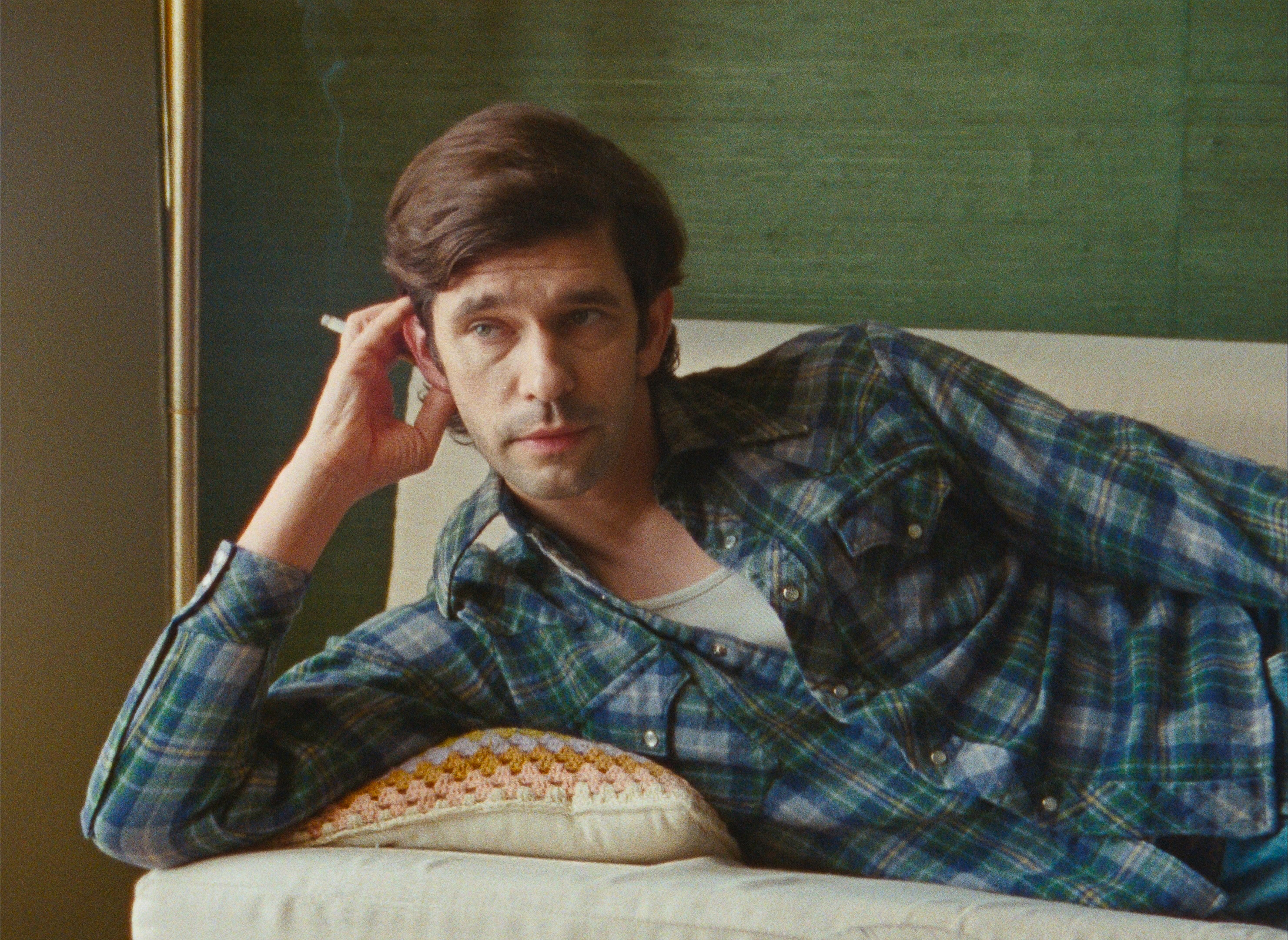
“Peter Hujar’s Day” by Ira Sachs
Based on a transcript of a missing interview conducted by Linda Rosenkrantz with Peter Hujar in the late 70s, Peter Hujar’s Day is literally Ben Whishaw telling how his previous day was to Rebecca Hall during 76 minutes. While the interview itself has some funny and interesting moments, Ira Sachs’s film is more of a good idea than a good film, resulting in a tiring, repetitive, and uninspired monologue-movie, which you never really understand why it was made. Ben Whishaw is pretty good in it, and Sachs has some nice intakes in changing locations while the interview is being conducted, but the material itself doesn’t justify an entire film. Maybe if this were an installation at a museum or something, it would be more interesting, but in the end, Peter Hujar’s Day is just pretty damn boring. ★★
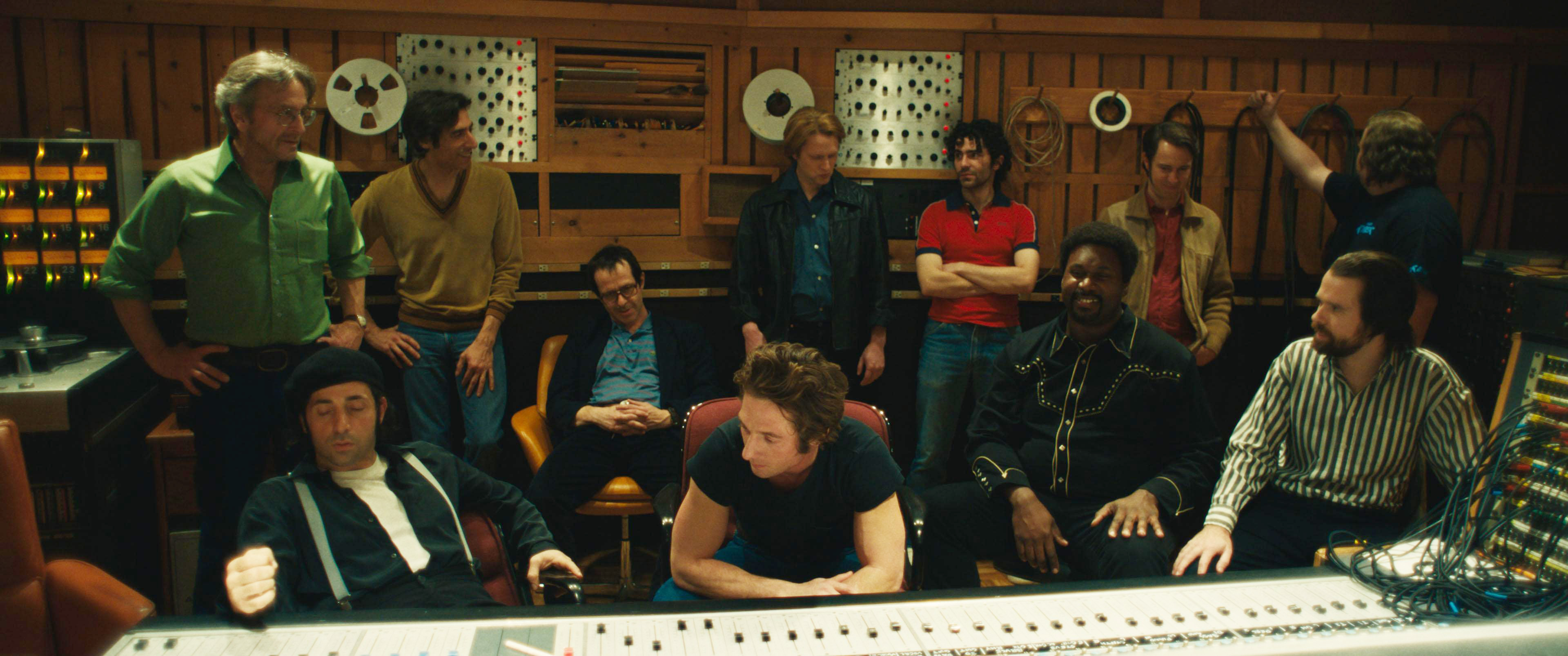
“Springsteen: Deliver Me From Nowhere” by Scott Cooper
Speaking of uninspiring films, Scott Cooper’s Bruce Springsteen biopic is the perfect example of a movie that never takes off. Despite having a good performance by Jeremy Allen White and a beautiful work of cinematography by Masanobu Takayanagi, Cooper’s script focuses on a time in Springsteen’s life where he was forced to face his troubled past and deal with depression at the height of his career. While the movie deals with important themes, the director never really dives into the three stories he’s trying to tell: the relationship with his father, the making of a new and different album, and his romantic relationship with Faye Romano. The result is a movie that tackles the subject of depression and trauma, but never really goes anywhere with it, making Springsteen: Deliver Me From Nowhere a movie that doesn’t feel like a biopic of one of the most influential singers from the ’80s. ★★½
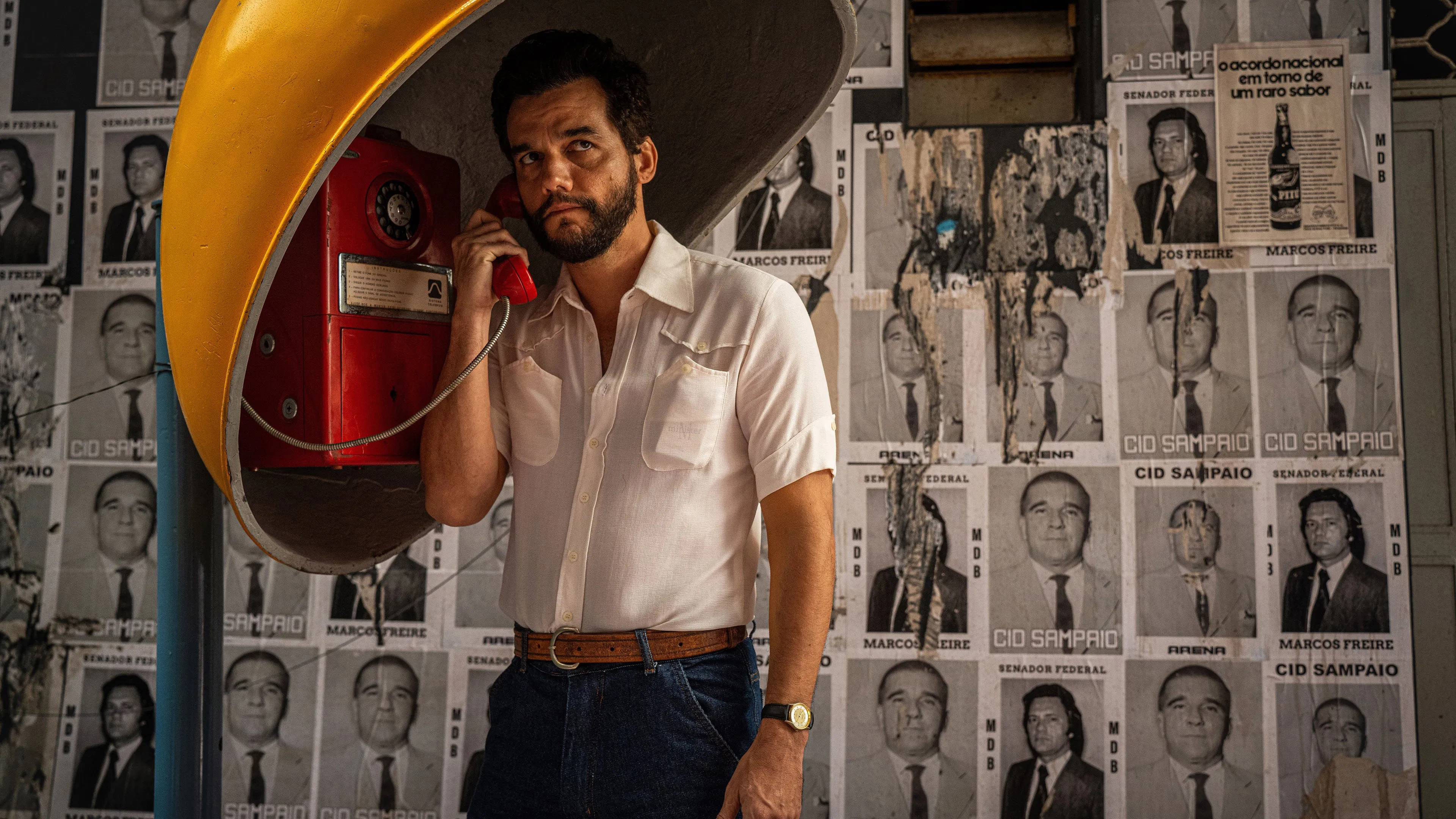
“The Secret Agent” by Klebler Medonça Filho
Kleber Medonça Filho’s fourth feature is not only a film homage to cinema itself, but it’s also a love letter to his hometown Recife, a place that is more a character in the film than the actual characters that participate in it. Shot in magnificent Panavision anamorphic lenses, we follow a man who is hiding from two men trying to kill him. Despite the plot not being extremely important, The Secret Agent slowly follows the routine of this man and the people who are searching for him through a beautifully nuanced screenplay that tries to bring Brazil from 1977 back to life through undercover missions, secret meetings at cinema’s projection booths, legs that come back from the dead at public cruising places, little boys that dream of watching Jaws, and corrupt police men who steal human bodies from the morgue. The result is a beautiful and magical film that could pretty much be Medonça’s version of Once Upon a Time in Hollywood. ★★★★½
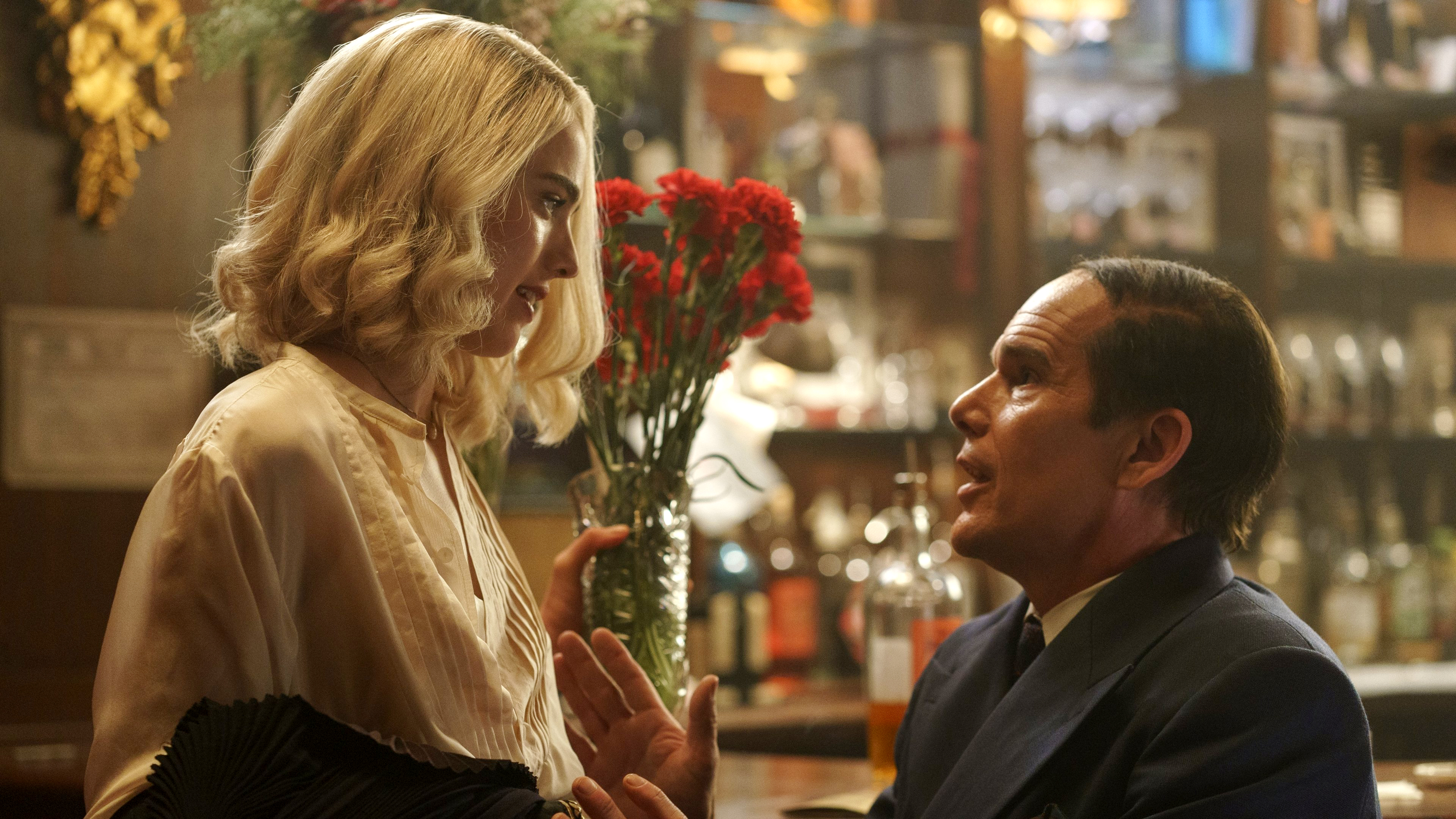
“Blue Moon” by Richard Linklater
Being the second film by Linklater shown at the film festival, Blue Moon is a movie that I wasn’t expecting to like so much. Shot entirely inside a bar like it was a play, the movie follows the night premiere of Oklahoma! on Broadway and Lorenz Hart’s reaction to it. Featuring an amazing performance by Ethan Hawke and incredible dialogues from Robert Kaplow’s screenplay, Blue Moon is a character study of a genius and his torments regarding love, writing, and success. More than that, it’s a melancholic portrait of an aging artist dealing with his fears and insecurities, resulting in a touching and emotional period drama that, despite its superficialities, is a film with a big heart. ★★★½
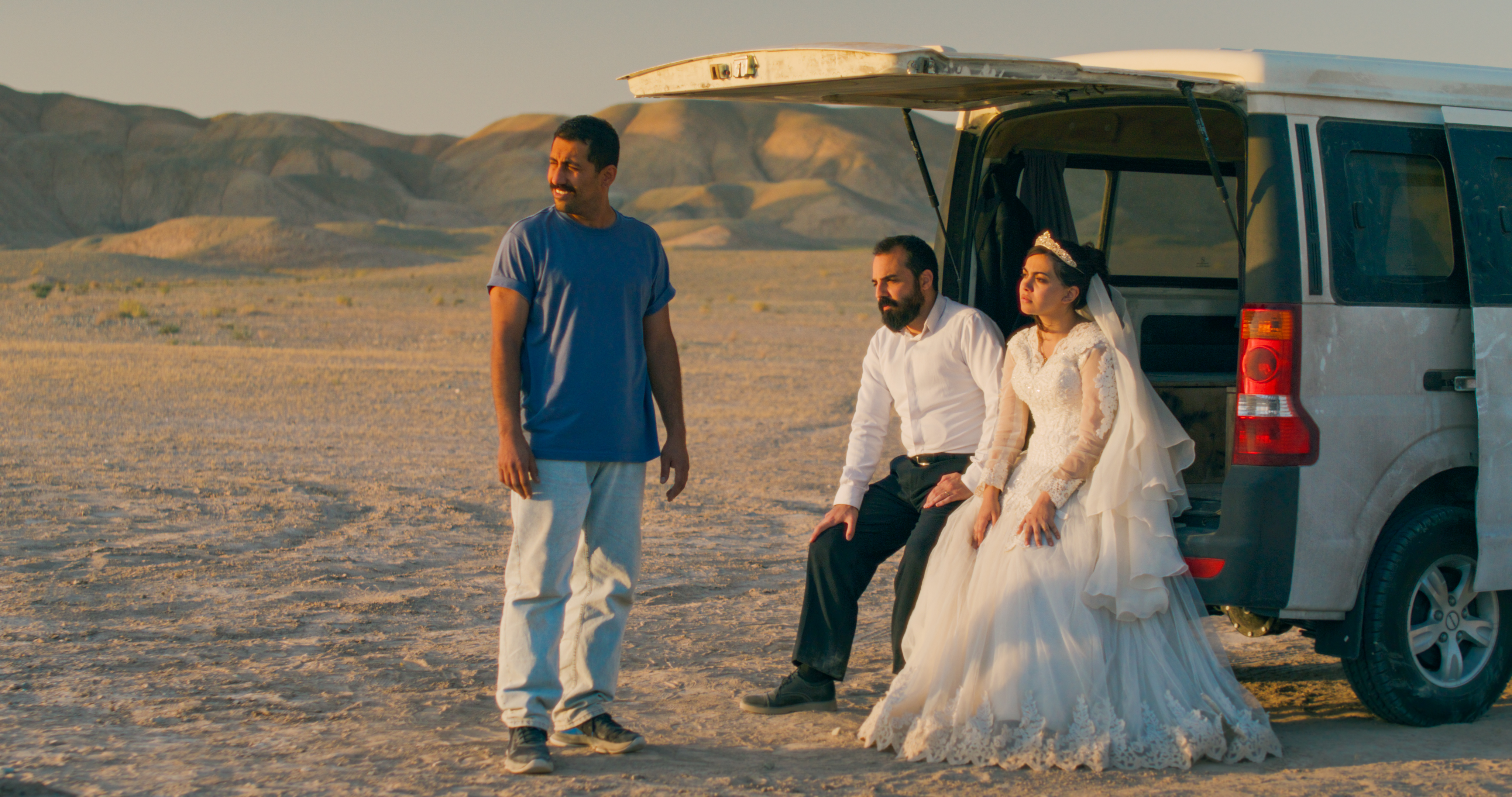
“It Was Just an Accident” by Jafar Panahi
It Was Just an Accident isn’t only the latest Palm d’Or winner from the Cannes Film Festival, but it’s also the most political one since Deephan and the weakest one since Shoplifters (yep, not a fan). While Jafar Panahi’s film and filmography are important, I couldn’t help but feel that his latest movie feels somewhat silly in its development and extremely sensationalist in its approach. By following the story of a man who attacks a stranger who supposedly tortured him in the past after being imprisoned for anti-government propaganda, the movie feels like a repetitive political comedy that is so absurd that sometimes it forgets its most relevant and important themes. By the time Panahi finally decides to address them, they feel forced and unnatural. It’s not a bad movie whatsoever, but it makes me wonder if it would have the same reaction and impact if it weren’t made by Jafar Panahi. ★★★

“Father Mother Sister Brother” by Jim Jarmusch
Winner of the Golden Lion at this year’s Venice Film Festival, Jim Jarmusch’s latest anthology film is an extremely simple but touching story about parents and their sons. While it doesn’t deserve Venice’s most prestigious award, Father Mother Sister Brother is a beautiful film that deals with the small details of encounters and their awkwardness, from uncomfortable long silences to meaningless cheers. People are being very harsh towards this film, which I don’t quite understand since it’s very much a Jarmusch film from beginning to end. Maybe that’s what happens when you give a heavy award to light-hearted dramas, but I was quite pleased to finish this film festival journey with a simple and pretty film. ★★★½
Saving this to watch all of these movies later. Some of these sound super interesting. Thank you 😀