

After eight years, Papiro & Mint went back to the Rio de Janeiro International Film Festival to cover 20 movies over the course of nine days in the Botafogo neighbourhood. Here’s everything we watched:
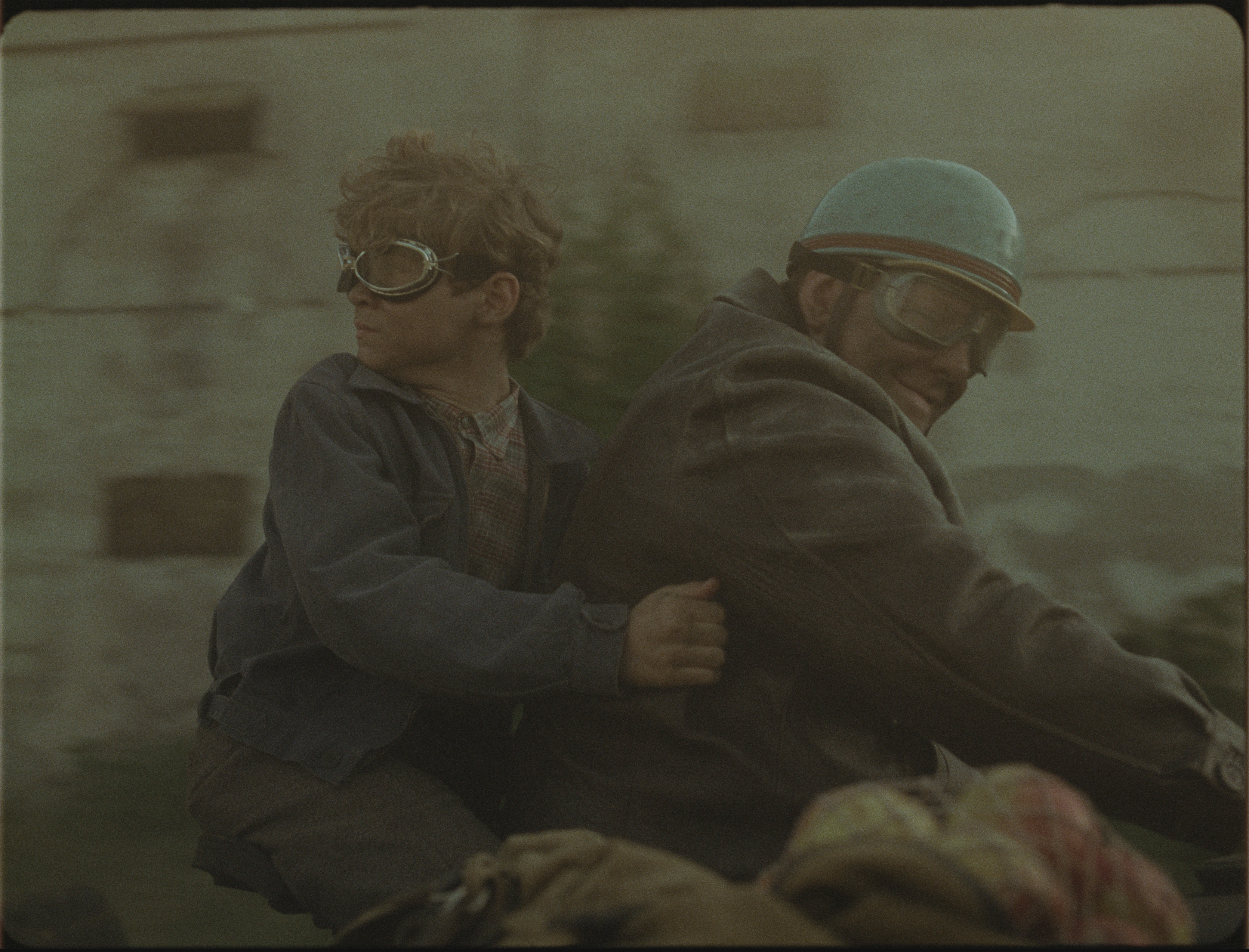
“Orphan” by László Nemes
It must be hard having an Academy Award-winning masterpiece such as Son of Saul as your feature debut, for no matter what the director does next, it will always be compared to it. Just like László Nemes’ second feature Sunset, the third movie by the Hungarian filmmaker doesn’t quite deliver as his breakthrough success. I love the premise of a boy growing up in the post-Hungarian revolution who is trying to reconcile the false idea of his parentage, but Orphan is so long and anticlimactic in its narrative that you can’t help but feel there’s actually a better 90-minute movie hidden in its stretched duration. The cinematography is absolutely gorgeous, and despite the repetitive conclusion, it’s formed by one of the most beautiful scenes I’ve seen in a while. It’s an okay film, I guess. I just wish I had liked it more. ★★★
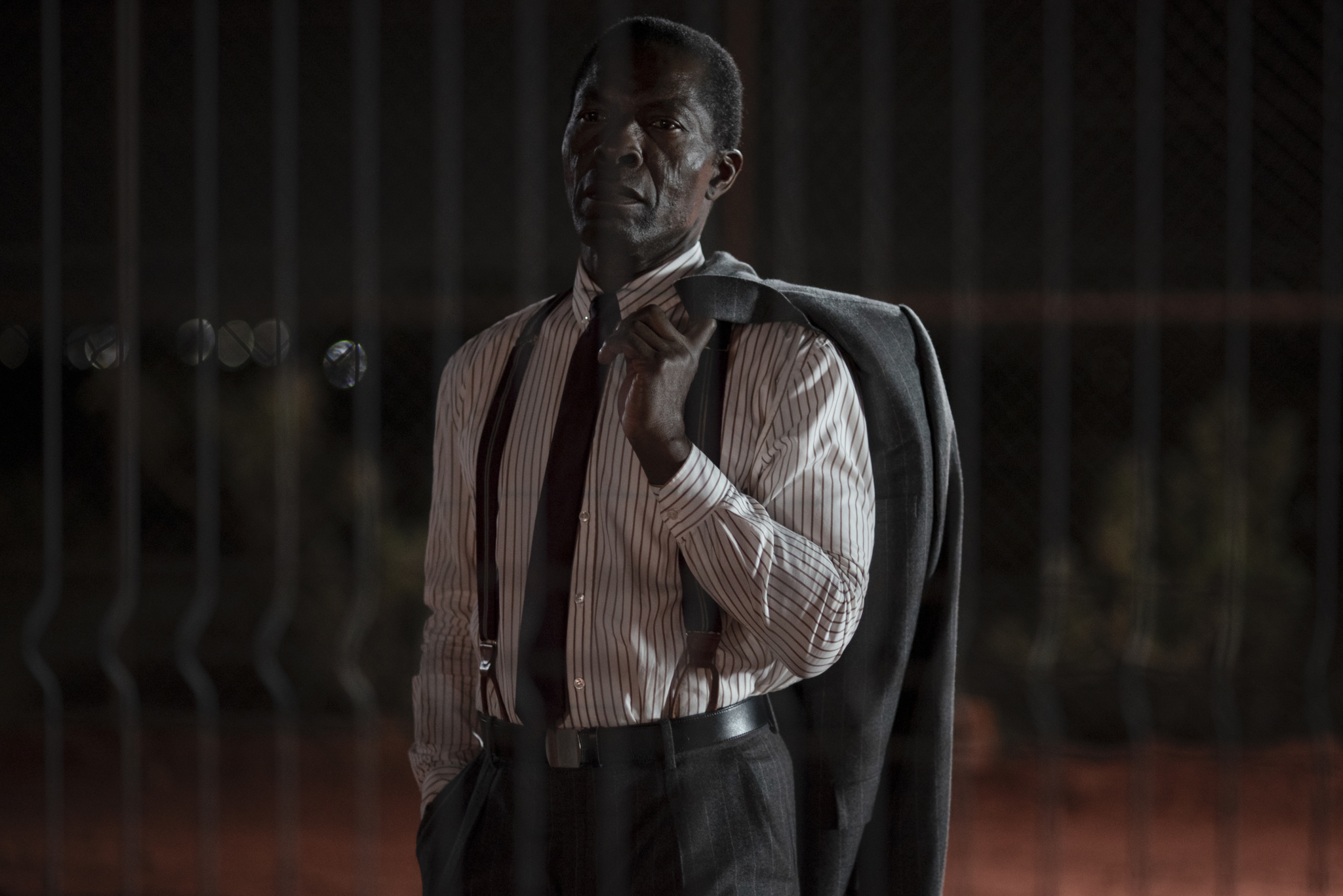
“The Fence” by Claire Denis
Claire Denis hasn’t really made any good films since the incredibly hypnotic High Life, and The Fence isn’t any different. Exploring her recurring theme of colonization, the French author adapts a play from Bernard-Marie Koltès to give us a story that happens throughout a single night set in a construction site in West Africa, which deals with three horrible characters and their involvement in the death of a local worker. Despite featuring a great performance by Tom Blyth, The Fence is extremely shallow and generic in its message, with scenes that overstay their welcome with dialogues so forced that it feels we’re watching something that is trying way too hard for us to take them seriously. ½
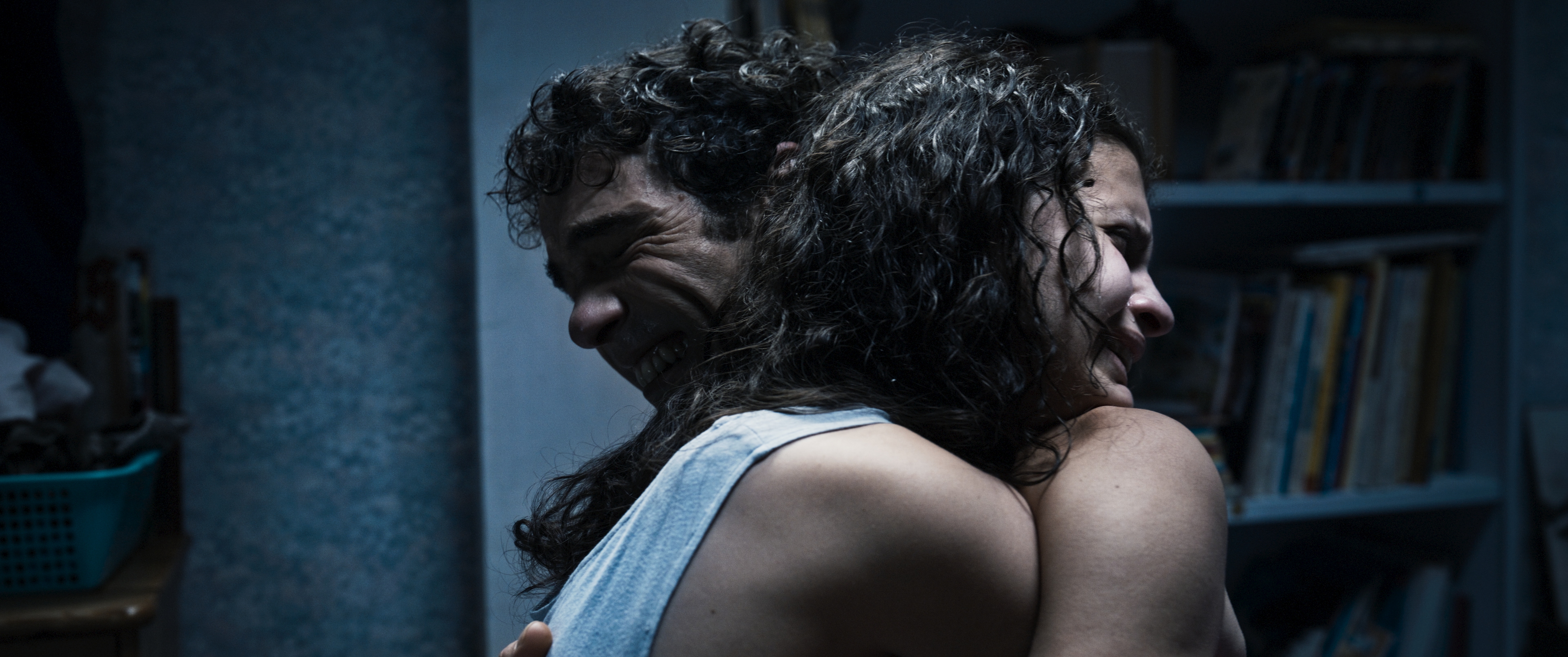
“Alpha” by Julia Cucournau
I don’t know if it’s because I had just watched two very slow and mediocre films, but I am absolutely stoked with Julia Ducournau’s Alpha. By dealing with the themes of grief and AIDS through a very creative, beautiful, and touching screenplay, Ducournau creates an absolutely incredible movie about loss and generational trauma through a coming-of-age story where nothing is exactly what it appears to be. More than that, Tahar Rahim delivers a performance of a lifetime, making this corporal virus film a surreal tale of remembrance. The reason why many people didn’t like this will forever be a mystery to me. ★★★★½

“After the Hunt” by Luca Guadagnino
The first thing you notice once you start watching Luca Guadagnino’s After the Hunt is how beautifully directed the movie is. While it starts in a somewhat pretentious conversation, Nora Garret’s screenplay rapidly becomes an intriguing and complex story about moral conduct and the dangers of taking one’s side of the story. Fortunately, the film is more a compilation of character studies and society’s current dilemmas than an actual portrait of the complexities of cancel culture and the #Metoo movement. And yes, it is from a straight, white, and bourgeois perspective. But no one is really safe in here, for its grey areas bring to life how these cultural social movements are really just a pretext to bring out the absolute worst in people. Julia Roberts, Ayo Edebiri, and Andrew Garfield are great in this, and despite the movie being 20 minutes a little too long, and with a prologue that is a little too round in comparison to the complex screenplay, After the Hunt is a great, mature, and sophisticated drama. ★★★★

“Strange River” by Jaume Claret Muxart
There are quite a handful of influences in this film, like Wild Reeds, Strange by the Lake, and even Eugène Green’s movies. The idea of making a film about a 16-year-old boy discovering his sexuality through the forest, his imagination, and homoerotic gazes is one of the reasons that made me want to watch this. But unfortunately, Strange River has very little to say, surviving mostly with its contemplative images that, despite being beautifully shot on film, don’t sustain its 106 minutes of duration. Maybe if this were a video clip or a short film, it would be slightly better. Still, it’s a movie that lacks originality even in its shallow premise. ★★½

“Two Prosecutors” by Sergei Loznitsa
Sergei Loznitsa is probably one of the most important filmmakers when it comes to making denounce films about the communist regime in the Soviet Union. Even though his movies aren’t exactly the easiest of watches, Two Prosecutors might be his most accessible one to date. Featuring rising star Aleksandr Kuznetsov, Loznitsa’s new feature is very raw and straightforward, just like the violence perpetuated and hidden under the Stalin regime. For a movie that deals with political bureaucracy and torture, there’s a surprising quantity of comic relief in this, which makes the movie even more interesting, just like the tension created with his slow approach to filmmaking. It may be one of the director’s best. ★★★★
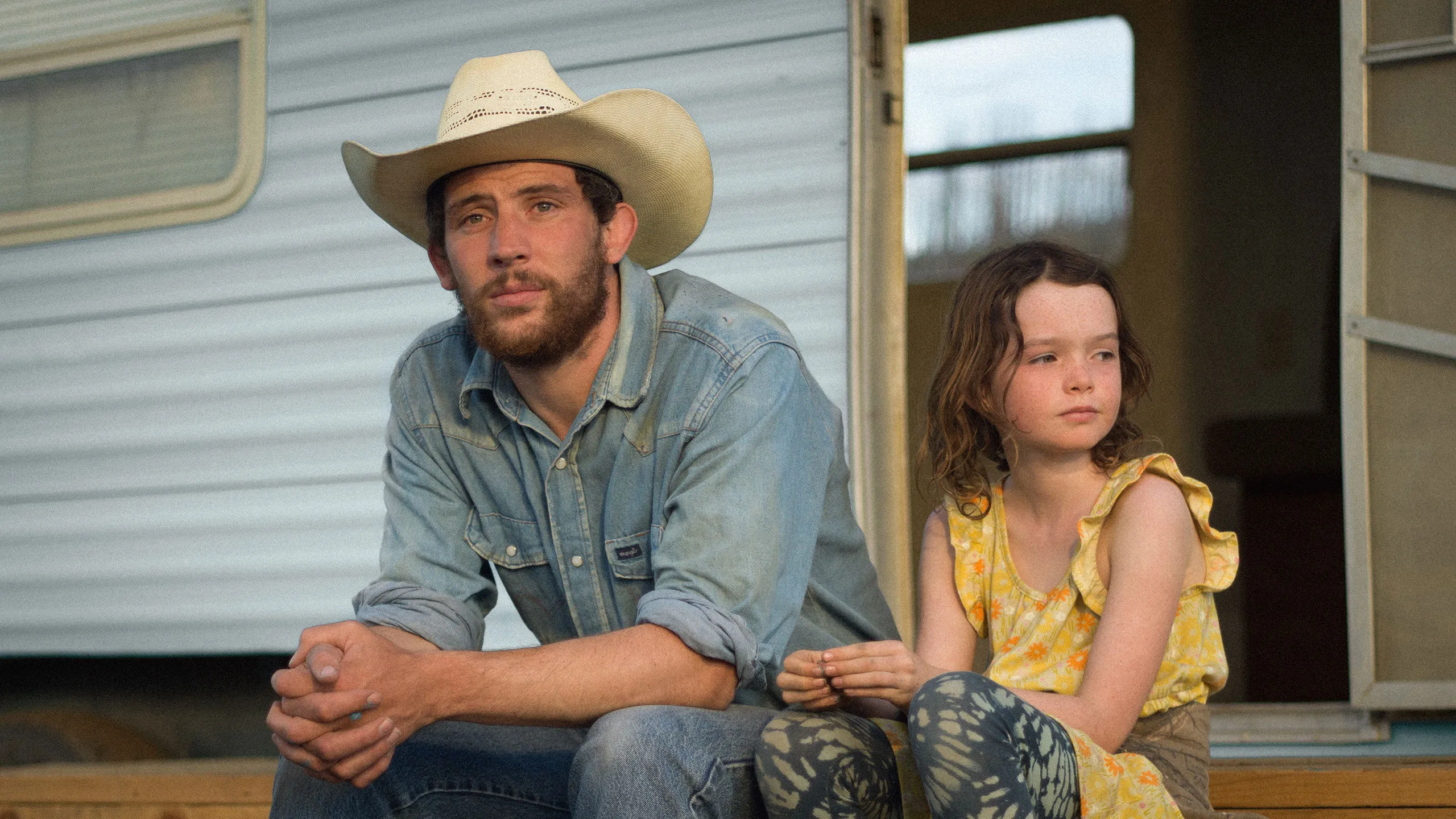
“Rebuilding” by Max Walker-Silverman
Rebuilding could very much be directed by Chloé Zhao, a movie that deals with people who lost their homes due to forest fires and try to make their way in a part of America where people hang out next to the public library to use their wi fi signal. It’s a film about people and their relationships, and how to deal with their dreams that have been shattered, and don’t necessarily have all the answers to what to do with their lives. It’s extremely simple and beautiful, and despite not being a major feature film, it’s an indie production with a big and tender heart. ★★★½

“Kevlar Soul” by Maria Eriksson-Hecht
I’ve always had a soft spot for movies about troubled youth and coming-of-age dramas, so adding that to problematic families in modern Sweden, it was hard for me not to love this. But more than exploring these themes in a cool chav aesthetic to explore masculine performativity, Kevlar Soul is a beautiful and touching tale about two brothers trying to navigate through their complicated lives and the consequences of the hard choices they made, resulting in a powerful, modern, and realistic film. ★★★★
“The Mysterious Gaze of the Flamingo” by Diego Céspedes
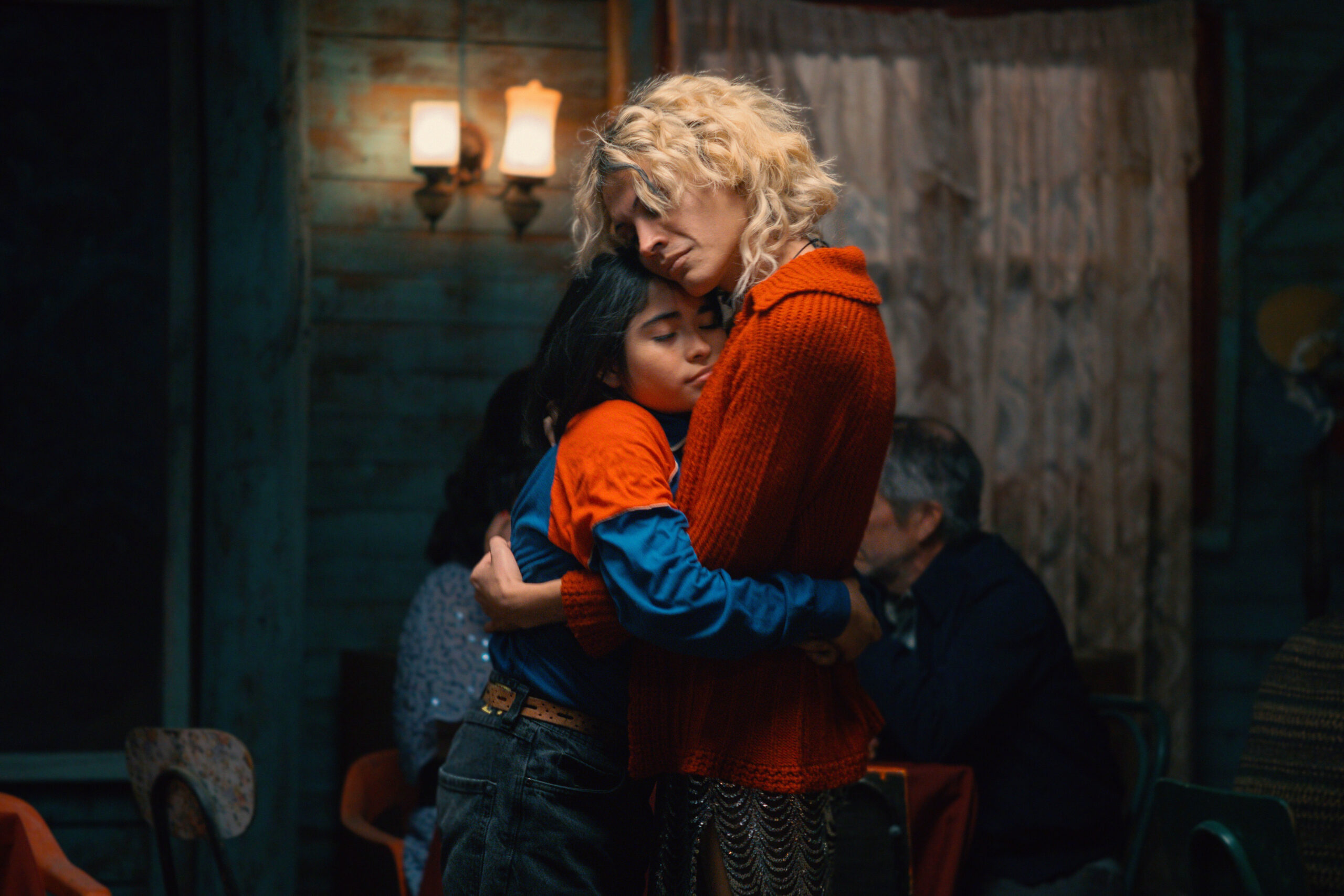
A pseudo-queer modern Western that tackles coming-of-age themes while using magical realism to talk about AIDS. It’s cute and relevant, but unfortunately, it lacks depth and purpose, making you leave the cinema without really knowing what it was trying to say. ★★★
“The Stranger” by François Ozon
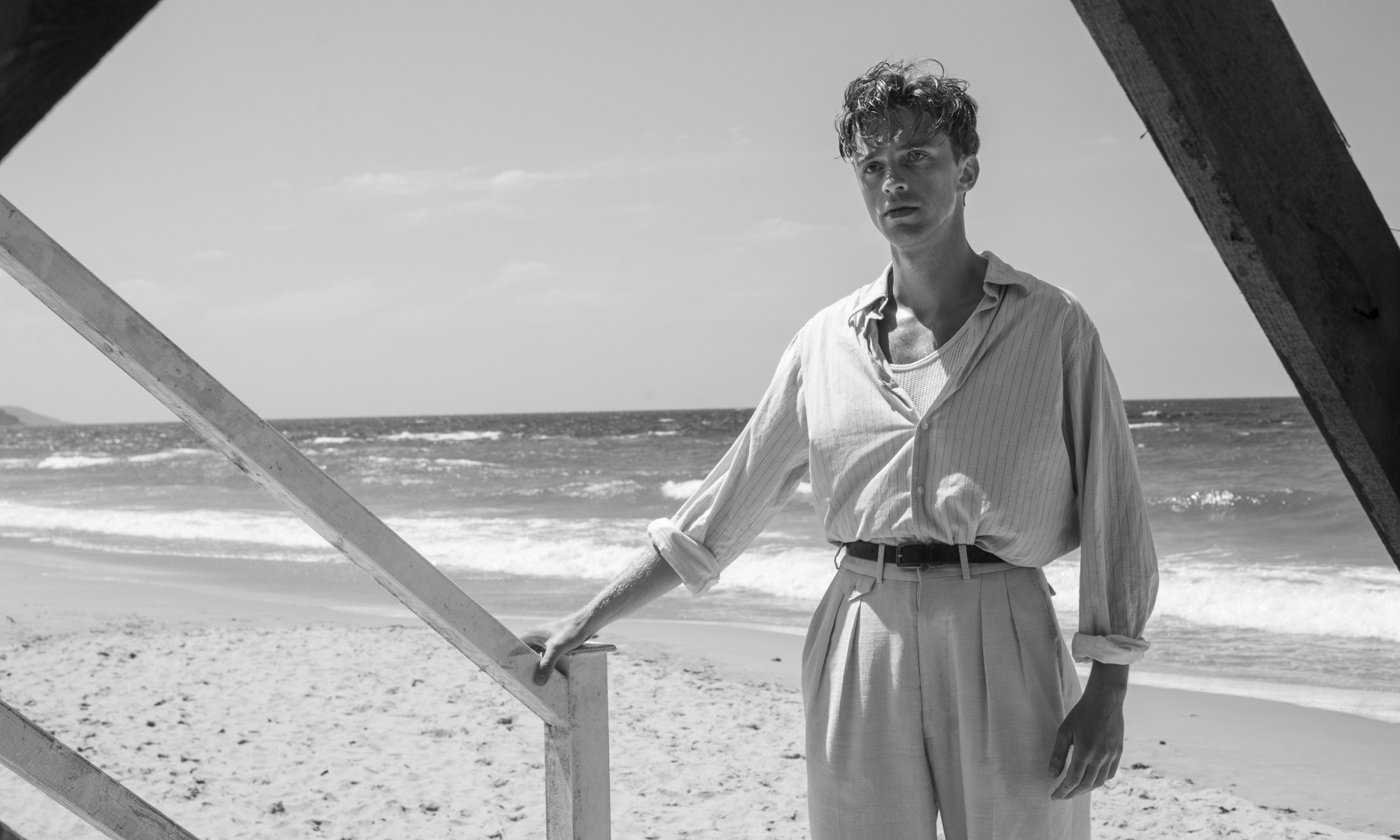
François Ozon adapts Albert Camus in a movie that looks and feels like a mid-40s noir. Benjamin Voisin incorporates the character’s indifference towards life with such power and presence that his mundane life in Algier is already a show of its own. The ending might drag a little bit, but The Stranger is a movie so twisted, hypnotic, and beautiful that it is impossible to take your eyes off the screen. Not to mention it plays The Cure’s Killing An Arab at the credits. ★★★★½
“Couture” by Alice Winocour
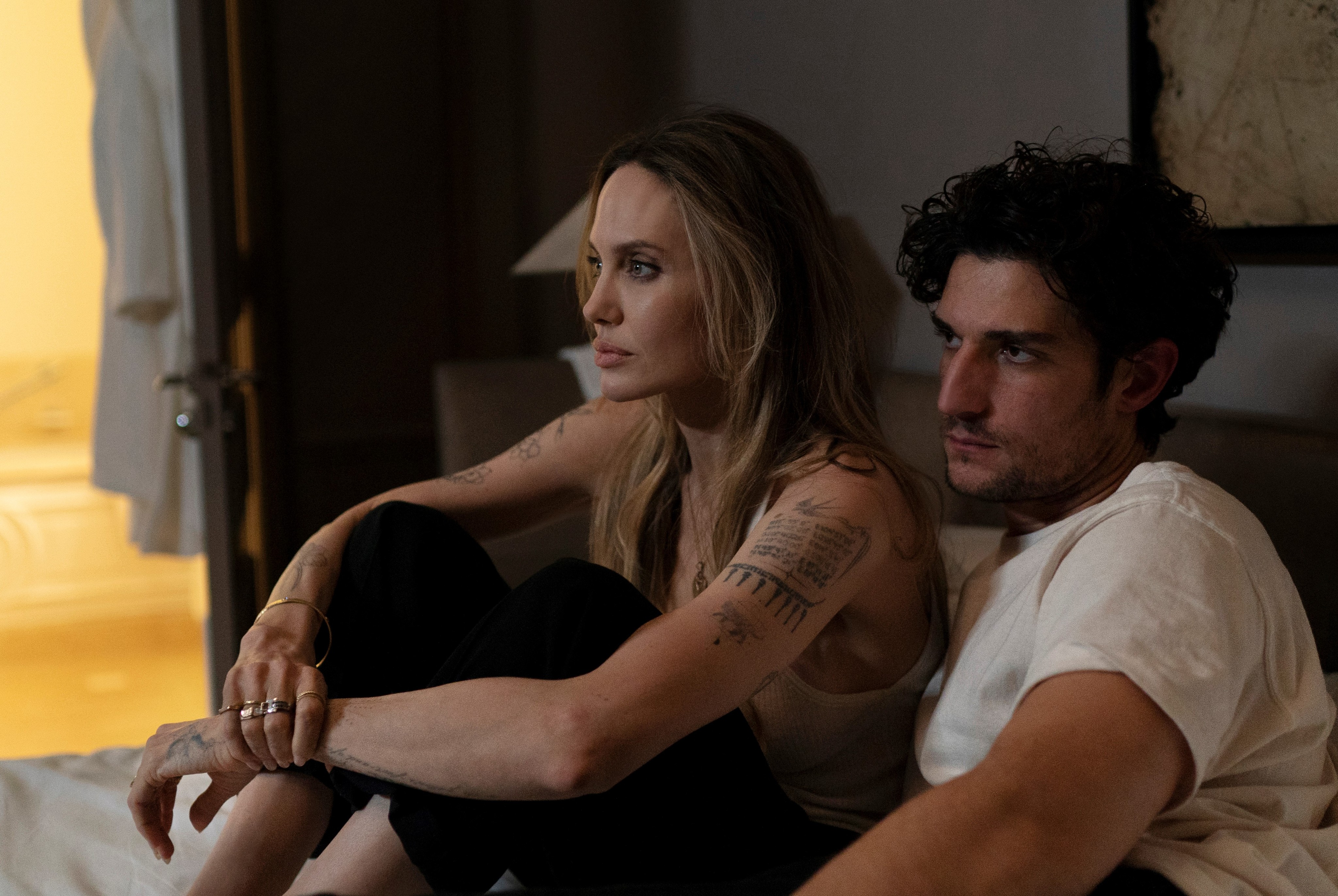
A French movie about Paris Fashion Week featuring Angelina Jolie, Louis Garrel, and Vincent Lindon has already a merit of its own, and Alice Wincour does a great job in creating a kaledoscope of characters involving a filmmaker who discovers she has breat cancer, a Kanian pharmasists who is entering the world of modeling, and a make up artist who is trying to publish a book about the fashion world on the side. It’s a very light and entertaining film, in which the main problem is not giving the proper attention every story deserves, resulting in more of a cool movie than a groundbreaking one, and that’s totally okay. Despite its flaws, I could easily keep watching another 100 minutes of this. ★★★½
“The Mastermind” by Kelly Reichardt
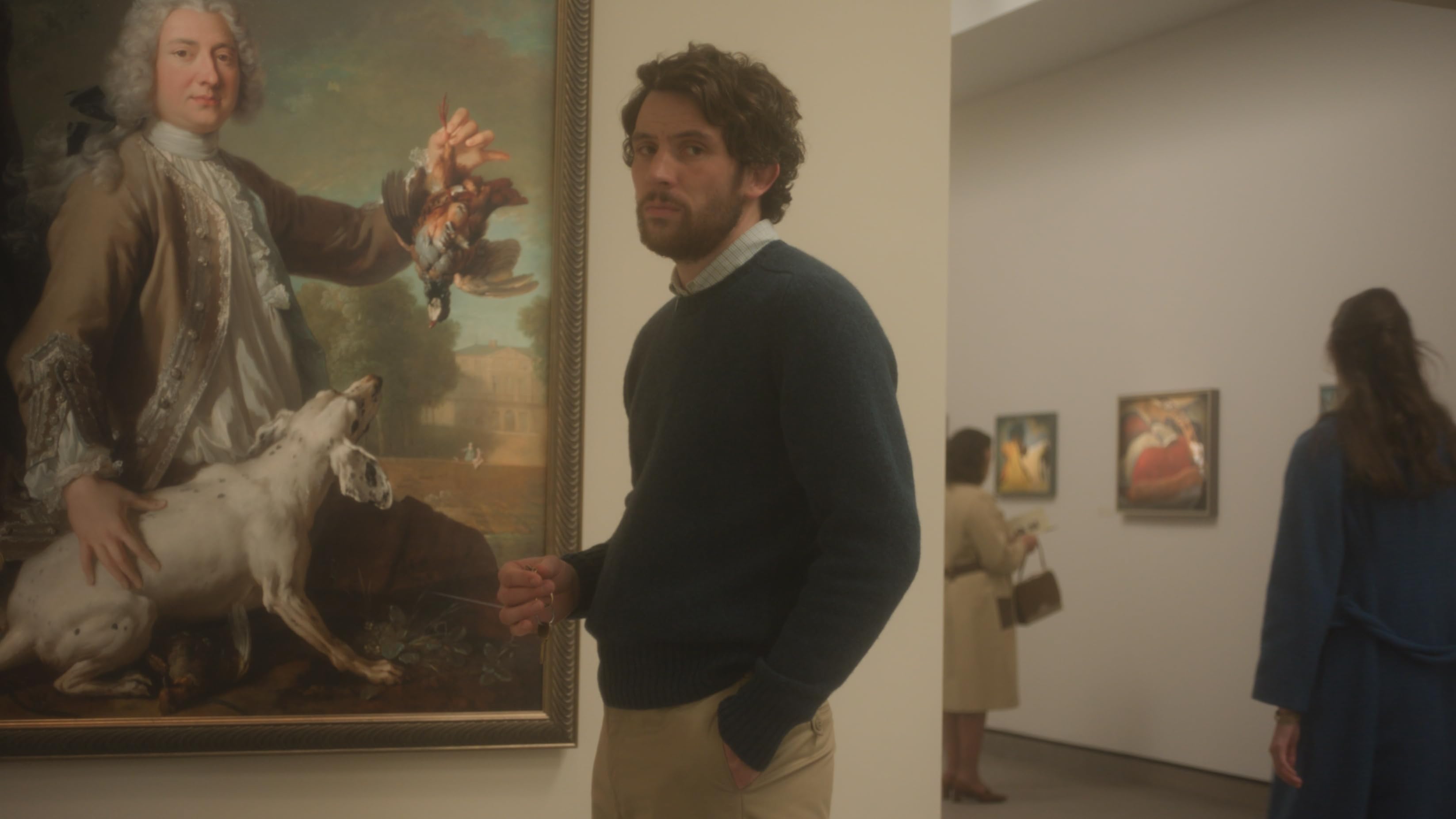
I’ve never been a really big fan of Kelly Reichardt, but this one is special. The Mastermind is a bright neo-noir about a married man who decides to steal some paintings from his local museum. The way everything goes wrong feels like a cross over between Robert Altman and Coen brothers movies, with Josh O’Connor impersonating this failed 70s generation in a way that reminds us of Elliot Gould in The Long Goodbye. There are some moments like nothing really happens, but unlike most of Reichardt’s films, this feels to work in a positive way along with the beautiful cinematography, costume design, and an insane jazz soundtrack. Apparently, this wasn’t the people’s favorite, but I have to admit The Mastermind is a pretty cool film. ★★★★½

“Romería” by Carla Simón
This is the third AIDS related film I’ve seen at the film festival, but it was the first where I saw people yawning, checking their phones, and even leaving the room. That’s because Romería is as dull as it gets by following the journey of a young girl meeting the family of her biological parents, who died when she was very young. Carla Simón seems to be talking about something very personal here, but none of that is transmitted through her characters, and the discovery of what actually happened with them is as uninteresting as spending time with these people. The last thirty minutes are actually quite nice, but in the end, it just feels like one of these film festival movies no one will remember in a couple of years. ★★½
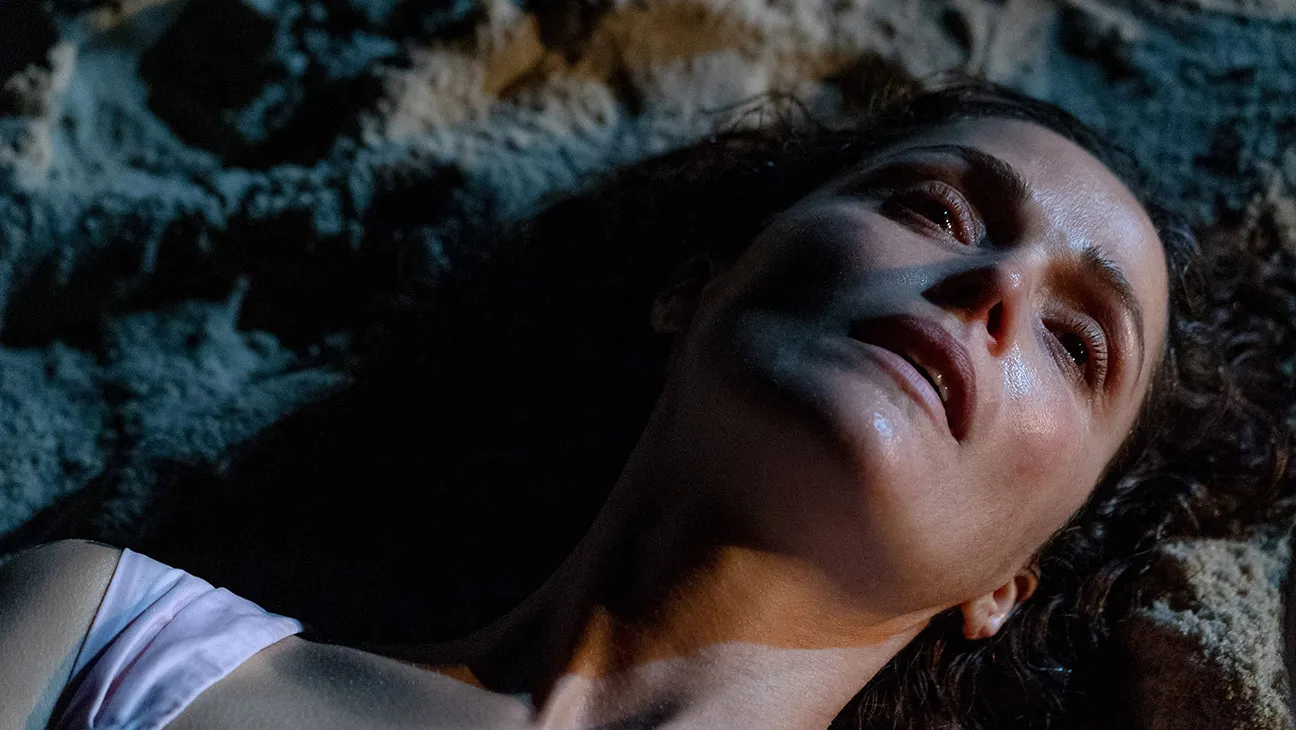
“If I Had Legs I’d Kick You” by Mary Bronstein
It’s been a while since a movie left me in a state of awe as this one just did. What have I just witnessed? A movie as strange as the title, where there isn’t a single scene that doesn’t feel like an anxiety attack. It’s beat after beat after beat, and Rose Byrne just swallows the entire movie with a monstrous performance that deservedly gave her a Best Actress award at the Berlin Film Festival. It’s not even worth talking about it, just watch it blindly, because it’s amazingly insane. ★★★★½
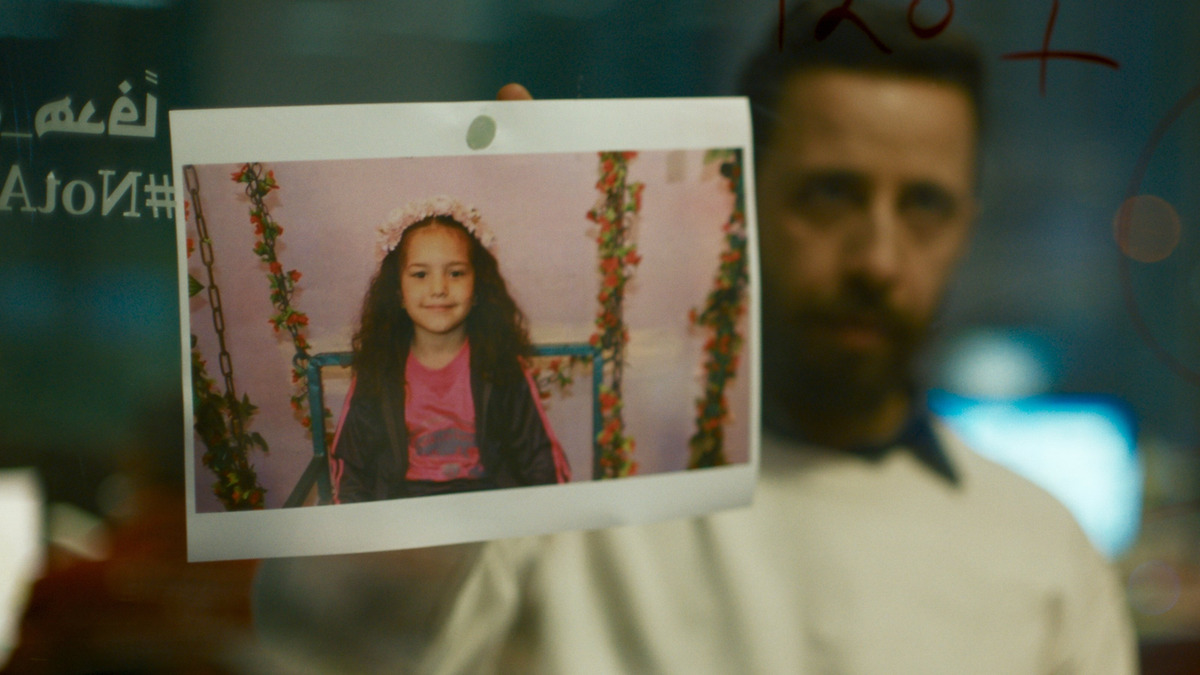
“The Voice of Hind Rajab” by Kaouther Ben Hania
How privileged are we to go to film festivals, watch movies, and write reviews on Letterboxd in the comfort of our homes? The Voice of Hindi Rajab is a denouncing film about Gaza’s genocide that explores cinema’s power of storytelling, from sound narration to juxtaposing reality with fiction. Its theme is so powerful and present that it is impossible not to feel powerless in Kaouther Ben Hania’s third feature, a story that represents only one of the millions of atrocities that are happening in Palestine. Star ratings and film comments are nothing compared to cinema’s strength to communicate, connect, and reflect, and The Voice of Hindi Rajab is unfortunately one of these fundamental films from our times. ★★★★

“Die, My Love” by Lynne Ramsay
The best part about Die, My Love is how unapologetically crazy it is, where the best moments lie in the character of Jennifer Lawrence going absolutely berserk. It might be seen as a more corporal version of A Woman Under the Influence, but unlike Cassavetes, Lynne Ramsay seems to somehow want to keep the screenplay with its feet on the ground, which probably happens because it’s adapted from a book. I must admit I was expecting more, but in the end, it’s an interesting movie that will take you on an unpredictable ride. The soundtrack is quite good. ★★★½
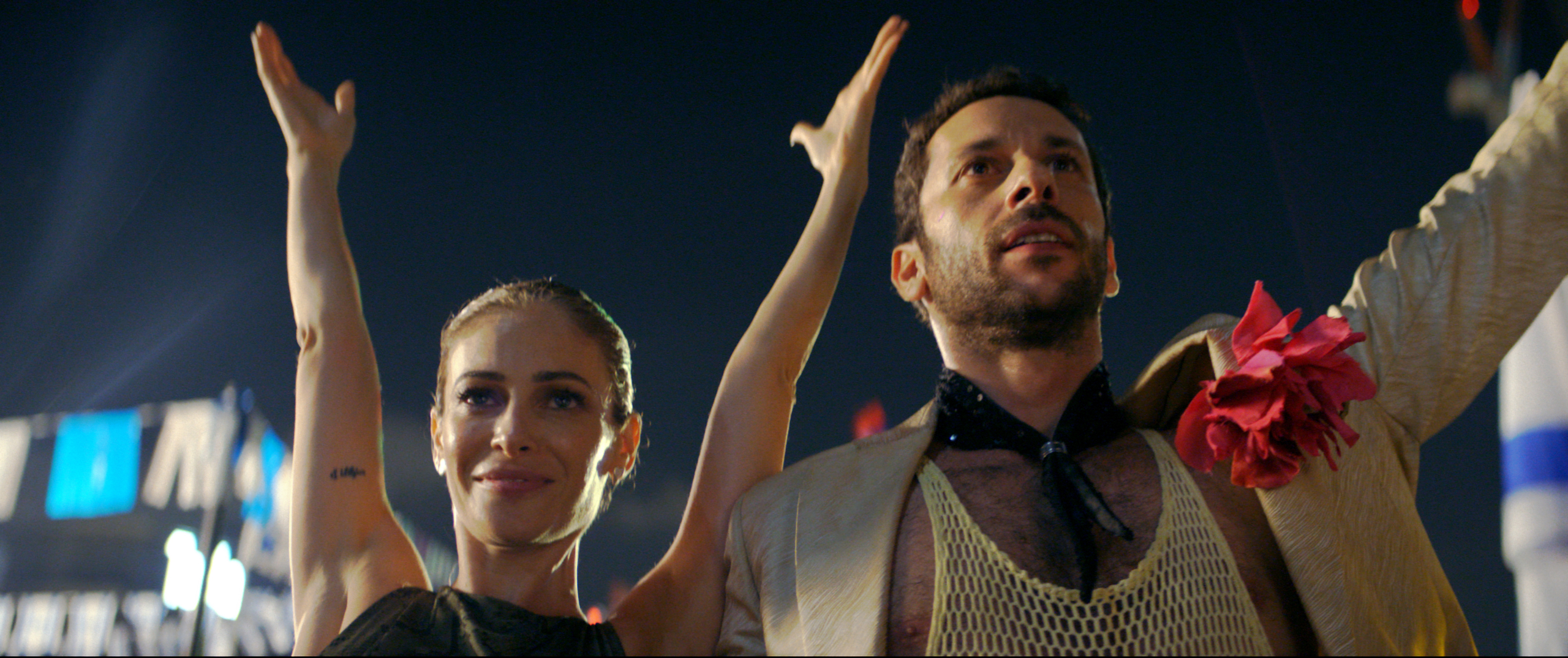
“Yes” by Nadav Lapid
Nadav Lapid is an Israeli director who has always made films questioning and criticizing his country, so he couldn’t be any less different and radical now with the war in Gaza. By making fun of the super-rich and the ignorant people who support the war in Palestine, Yes is a movie that is built as an absurd musical where characters are constantly dancing and making fun of themselves while the camera literraly shakes from one side to the other, navigating this Sorrentino-like parody of people who are way too busy with their lives to give a damn about the hundreds of dead bodies that constantly appear on their phones. What starts as an interesting approach to filmmaking, Yes suddenly becomes a never-ending drag of a film, where the line of what it’s supposed to be taken seriously and not becomes irrelevant to the audience, who is supposed to be engaged with the story arc about how a song supposedly used in WWII is now being sung by children to propagate anti-Palestine propaganda. I understand what Nadav Lapid wanted to do here, but 150 minutes of this is quite difficult to bear. ★★
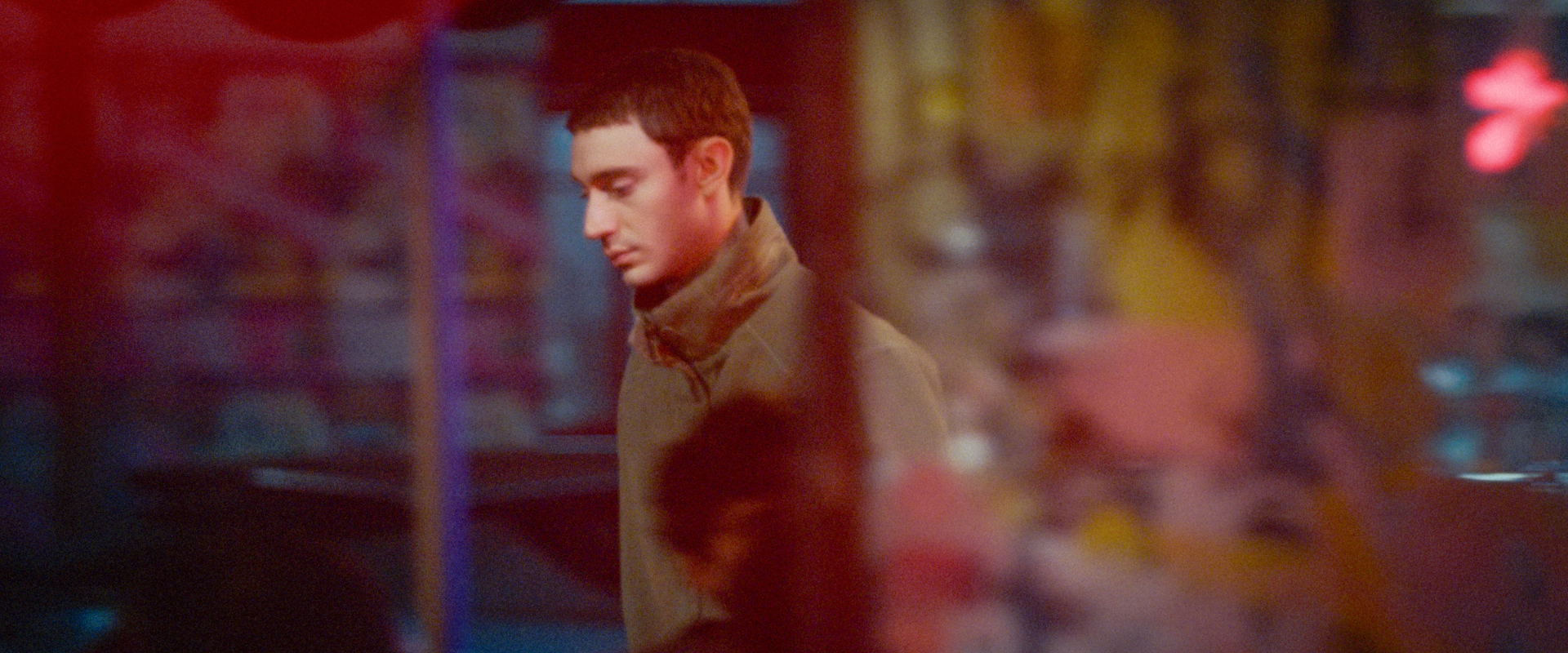
“Nino” by Pauline Loquès
Nino spiritually evokes Agnes Varda’s Cleo From 5 to 7 by following a male character from Friday to Monday after discovering he has cancer. Between being locked outside of his house, spending his birthday with friends, and finding the right moment to ejaculate on a cup to have his sperm frozen for the future, Pauline Loqués’ film is a very beautiful drama about the insecurities of our generation’s health. It’s not extremely deep, but the director’s sensitivity to transform this espiritual homage of the Nouvelle Vague to a light and uplifting cancer-related film is a decent exercise for a feature debut. Not to mention Théodore Pellerin is great as always. ★★★½

“The Chronology of Water” by Kristen Stewart
The Chronology of Water is such a miserable porn movie that there’s even a scene where Imogen Poots lubricates while being tortured by a woman who is trying to help her overcome her traumas. While this is not a Lars von Trier film, it marks Kristen Stewart’s feature debut as a director, which follows the journey of a woman who has been abused and is trying to find herself in life. It’s a theme that has been explored a thousand times, and the American actress does a good job in creating a kaleidoscope of memories and feelings through a very feminine perspective. Unfortunately, the uneven and repetitive screenplay seems to find solace in its trauma, which despite this being what moves the story forward, it also made me question the exploitation of it, especially when all that happens through a video-clip aesthetic of constant cuts and fast-paced editing. Imogen Poots, on the other hand, might be in her best role to date. ★★½

“Sentimental Value” by Joachim Trier
The best part about finishing film festivals with masterpieces like this is the feeling that great movies – unlike most titles from the lineup – don’t try to be great, they just are. Sentimental Value is an outstanding family drama about acting, filmmaking, relationship bonds, remembrance, and how all of that affects the art we create and the lives we live. It has an extremely simple script and direction, but Joachim Trier is one of the few directors who know how to approach our mundane modern lives as something important and everlasting, resulting in by far his most beautiful and mature film to date. ★★★★★