Watching silent films has unfortunately become an activity that only cinephiles and researchers submit themselves to. That happens because sound and color are elements that are so integrated into our modern society that even watching something black and white can cause some discomfort for those who are not used to watching old films. Being a filmmaker and cinephile myself, I don’t spend much time looking for titles from the 1910s and 20s – first because the number of silent films released at that time is not that many compared to the other 100 years of cinema; and second, many movies from that time are lost. But the more time passed and the more I adventure myself in this forgotten period of cinema, the more I realized that this was probably one of the best decades of cinema itself.
There is an incredible element of watching silent films that you can not find in any other period of filmmaking, which is comparing them to other movies. The films released in this period are unique since they are the first of their kind. Directors, producers, actors, and cinematographers were still trying to discover what cinema meant by experimenting with the camera, the lights, and the editing to create a language of its own. Like Jean-Claude Carriére says in his mandatory book “The Secret Language of Cinema”, no other type of form had such a necessity to invent itself as filmmaking did.
With that said, if you start watching silent films you will be surprised by what was done with almost no technology and access. Film grammar hasn’t changed much through these last 120 years and many elements we think are groundbreaking today come from this period. Not only that, these films are darker and sometimes can be as complex and modern as the films that are made nowadays. Because of that, I’ve decided to talk about some incredible silent films in case you are thinking about trying them out.

The Cabinet of Dr. Caligari (1920) by Robert Wiene
Probably one of the most famous silent films ever made, The Cabinet of Dr. Caligari is a mandatory film from the German Expressionism era in which the sets were built in a strange style and the cinematography is extremely dark. The main characteristic of the German expressionism movement was to reproduce the state of horror and paranoia that spread through Germany after they lost the First World War. This state of mind had a major influence on Dr. Caligari’s story, which tells the story of a hypnotizer who controls a sleeping man who tells prophecies that are fulfilled by himself at night. If being groundbreaking for its plot and set design weren’t enough, The Cabinet of Dr. Caligari is one of the first movies that contains a surprise ending.

Dr. Mabuse (1922) by Fritz Lang
With nothing less than four hours of duration, Dr. Mabuse is one of Fritz Lang’s most visionary films with a character that influenced many modern villains on screen nowadays. More than a story of a trickster with many faces who is willing to set chaos and anarchy within society, Dr. Mabuse can be seen as the incarnation of horror itself – a metaphor for what Germany was going through at that time that got even more complex and frightening with the sequences that were made after. (The Testament of Dr. Mabuse and The Thousand Eyes of Dr. Mabuse). To have this imagery power and complexity at the beginning of the 20s proves how visionary and talented Fritz Lang was.
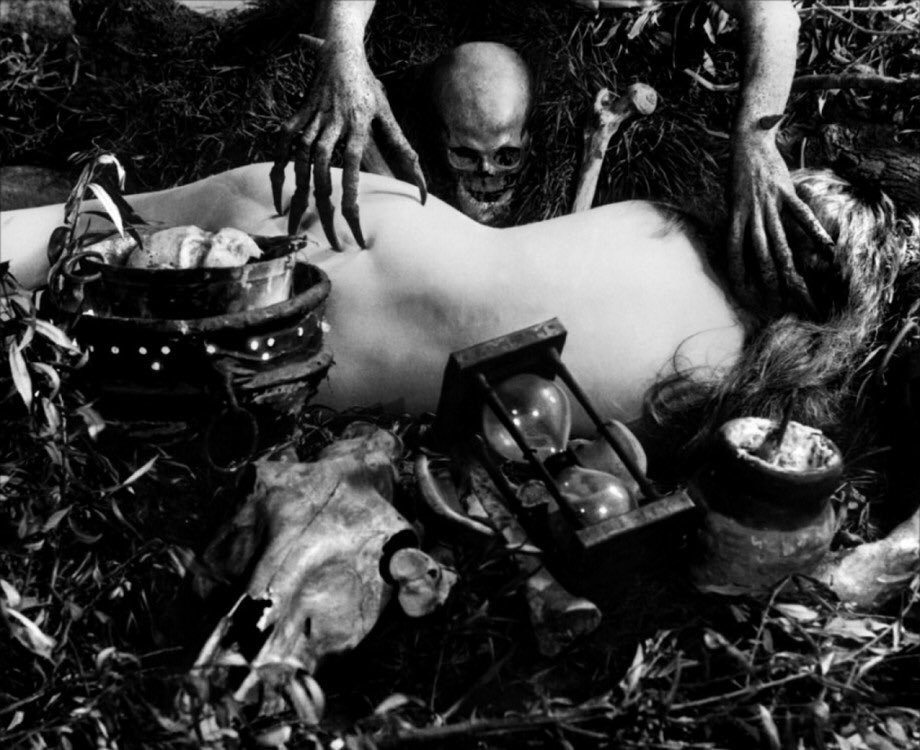
Haxan – Witchcraft Through Ages (1922) by Benjamin Christensen
A country that held a big part of the production of silent films was Sweden. Haxan can not only be seen as one of the first important films from Scandinavia but also one of the first documentaries ever made. Mixing documentary with fiction, Haxan is a beautiful and interesting piece that explores the history of witchcraft and satanism in medieval times, offering vignettes and illustrations of several superstitious practices. If that’s not interesting enough, the film is known for its different and explicit content, with scenes where women have sex with the devil himself, which caused a little bit of controversy when it came out.
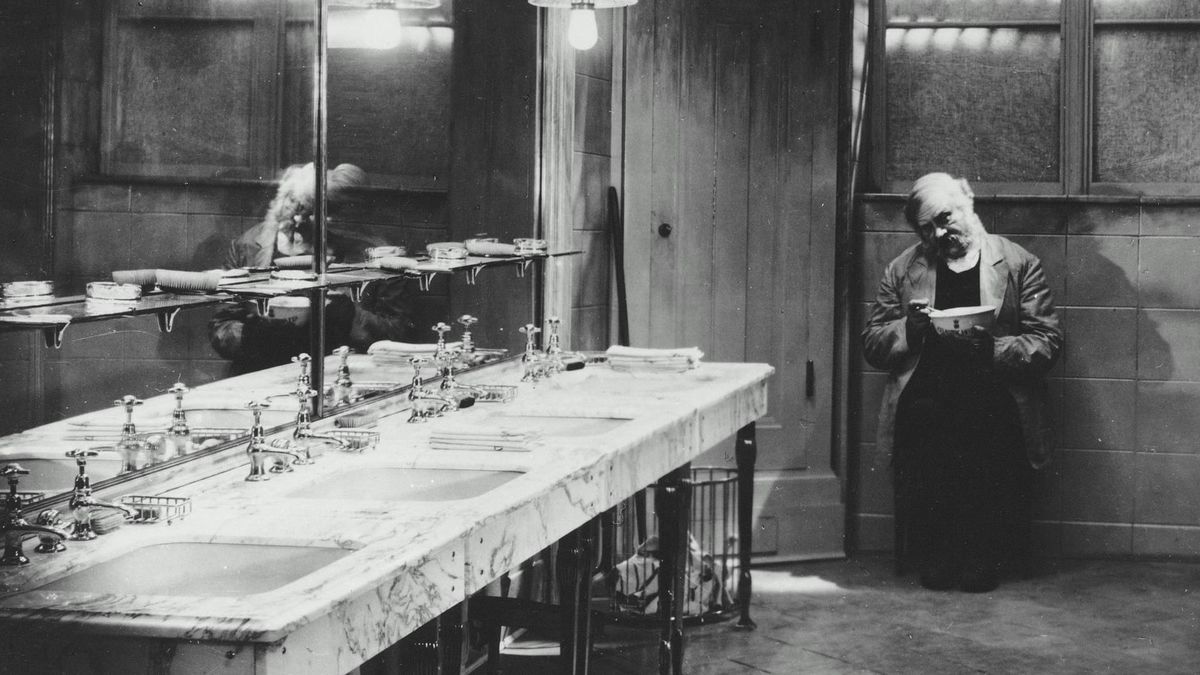
The Last Laugh (1924) by F.W. Murnau
One of the biggest directors of silent films of all time, F.W Murnau helped to shape the meaning of cinema with films such as Phantoms, Nosferatu, Aurora, and Tabu. The Last Laugh, however, is my favorite film from the director for telling the story of a respectable hotel porter who is replaced by a younger man and forced to work in the hotel’s bathroom. More than being a fascinating story about humiliation, despair, and paranoia is F.W Murnau’s incredible and innovative sense of directing, with shots and special effects that you wouldn’t believe it was possible at that time. Not to mention Emil Janning’s incredible performance.

Strike (1925) by Sergei Eisenstein
Sergei Eisenstein was one of the most visionary directors of his time by discovering the power of moving images through the process of editing, which became one of the biggest pillars of film grammar. Even though Strike has an incredibly socialist agenda, it’s impossible not to be impressed with the format of the film. The movie obviously tells the story of several workers in a factory who decide to go on strike and the consequences of this act. The movie can be a little sensationalist at times, but the logic behind Sergei Eisenstein’s editing was something never done before, resulting in incredibly powerful images that marked cinema’s history forever.
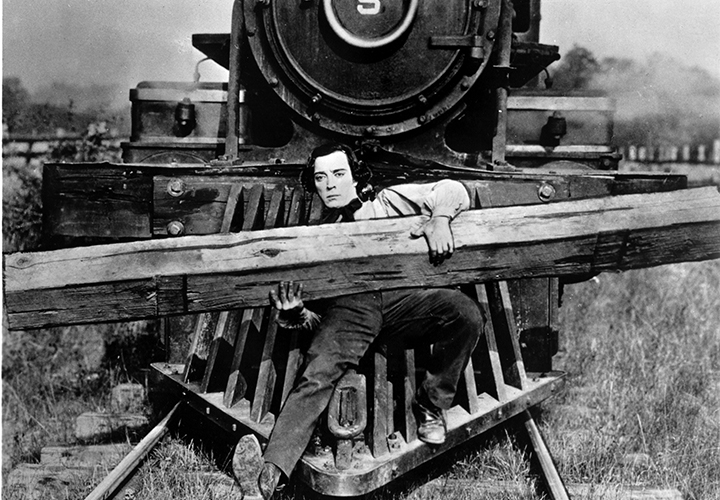
The General (1926) by Buster Keaton
Any Buster Keaton film is without a doubt considered a must-watch, but The General is groundbreaking on so many levels that we have to take special consideration when talking about it. Buster Keaton is already known for his incredible and dangerous shots, but his misadventures on the top of a moving train while a battle happens in the background, can probably be seen as one of the most incredible takes in film history – especially since it would probably all be made on a green screen nowadays. The plot, just like most of his films, is not the most important part. But what he does in the situations he creates for himself is so absurd and well thought out that is impossible not to consider Keaton a genius.
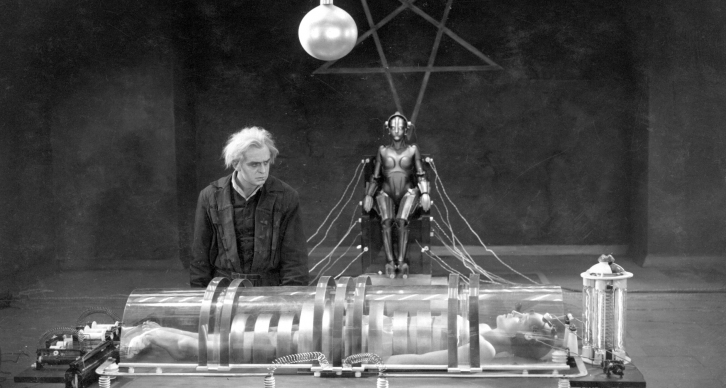
Metropolis (1927) by Fritz Lang
Probably the most visionary film of all time, Metropolis is a monumental sci-fi classic that still feels fresh and modern until today. With massive set designs and incredible cinematography, the film explores themes such as workforce and alienation by following the story of the son of Metropolis’ master and a robot woman who is built to start a revolution with the workers of the city. Several parts of the film were lost throughout time and today is known to have 95% of the film restored. Metropolis is not only considered one of the most important films of all time, but it was also the film that made Adolf Hitler hire Fritz Lang to direct his films for the Third Reich. Fritz Lang, however, declined the invitation and ran away to America.

The Last Command (1928) by Josef von Sternberg
The more movies by Josef von Sternberg I watch, the more he becomes one of my favorite directors of all time – and probably one of the coolest too. Being known for his extensive collaboration with Marlene Dietrich in Hollywood, The Last Command is one of his silent films that is too good to ignore. With outstanding sets and production design, which was one of Sternberg’s main characteristics, the movie tells the story of a Russian actor who is hired to participate in a Hollywood production. When he goes to work, he remembers his days as Command General in Russia at the beginning of the century, resulting in an incredible and poetic movie with a touching and twisted ending. Emil Jannings, who also acted in The Last Laugh, gives a performance so incredible that is impossible to deny he may have been one of the best actors of his generation.

The Crowd (1928) by King Vidor
From another director who is considered one of the greatest American directors of the silent period, The Crowd is an extremely modern and fast-paced movie about the rise and fall of a man chasing the American dream. The film becomes even more relevant considering a year after its release the collapse of 1929 would happen on Wall Street. One way or the other, The Crowd is not only modern and touching but also has several innovative shots as the camera follows the characters on a roller coaster and other attractions of a theme park.

The Passion of Joan of Arc (1928) by Carl Theodor Dreyer
The fact that The Passion of Joan of Arc was considered a lost film for many years makes us wonder how many incredible masterpieces have never been watched. Here, Carl Theodor Dreyer narrates the trial case of Joan of Arc, which was entirely based on the real archives of the witnesses at the time. More than a film about the death of an icon, Carl Theodor Dreyer creates a transgressive piece about martyrdom, suffering, injustice, and faith, with images so brutal and powerful that is impossible to deny The Passion of Joan of Arc can easily be considered one of the greatest movies ever made. The film is also known for Maria Falconetti’s performance, which makes the movie even more hypnotizing to watch.

City Lights (1931) by Charles Chaplin
With all these incredible silent films, is a little hard for me to like Charles Chaplin, which doesn’t mean he isn’t important to the silent film period – quite the contrary! But from all his films, I believe City Lights is my favorite. Telling the story of a bum who falls in love with a silent girl, the movie follows the several misadventures that Chaplin faces to get money to save the girl’s home and life. More than a comedy film, City Lights can be extremely touching and poetic, making this one of the most famous films by the director.
What about you? What are other silent movies worth watching?
They’re all great films but all a bit on the epic side in terms of length and depth which might put some people off. If I was to suggest where to start I would recomend the classic comedy short films of Chaplin, Keaton and Lloyd – a great one is Harold Lloyd’s ‘An Eastern Westener’, very funey!